
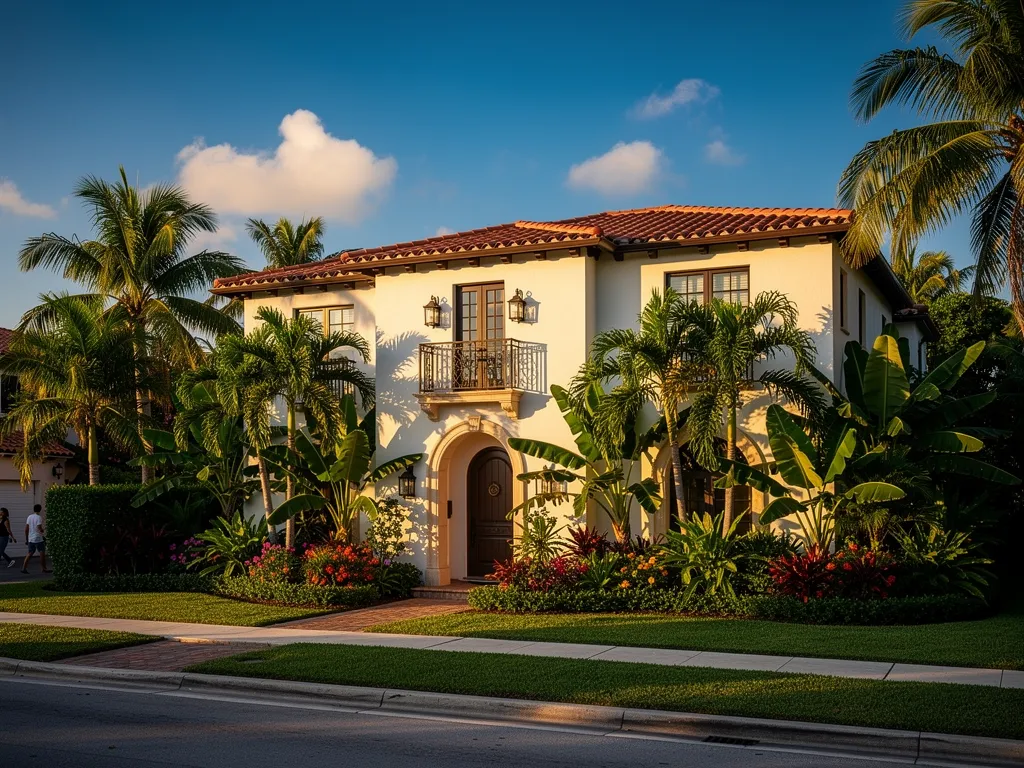
Miami Shores is one of Miami-Dade County’s most sought-after residential communities — a neighborhood defined by its tree-lined streets, Mediterranean Revival architecture, and a tight-knit village atmosphere that few South Florida communities can match. For homebuyers and sellers navigating this market, a certified home inspection is not a formality. It is an essential layer of due diligence that protects one of the most significant financial decisions a person will ever make.
The homes here are beautiful, but beauty and structural soundness are not the same thing. Many properties in Miami Shores carry decades of history — and with that history comes a set of inspection challenges that demand a highly experienced, certified professional.
Miami Shores was developed primarily between the 1920s and 1950s, and a large portion of its residential housing stock reflects that era. For anyone pursuing a historic home inspection in Miami Shores, understanding the construction methods of that period is the essential first step. The Mediterranean and Colonial Revival homes that define the neighborhood’s aesthetic were built under construction standards that bear little resemblance to modern building codes — and that gap creates real risk for today’s buyers.
Older plumbing systems in homes of this era frequently include galvanized steel pipes, which corrode from the inside out over time, restricting water flow and leaching rust into the water supply. Cast iron drain lines — common in mid-century construction — are prone to cracking, root infiltration, and deterioration that can go undetected for years without a thorough inspection.
Knob-and-tube wiring, once the standard electrical system in American homes, is still found in some of Miami Shores’ oldest properties. This wiring lacks a ground conductor, is incompatible with modern circuit loads, and presents a fire and safety hazard that most insurance carriers will not cover without remediation or replacement.
Plaster walls and original construction materials may conceal moisture intrusion, hidden mold colonies, and structural deterioration that newer drywall construction makes easier to detect. A certified inspector knows where to look — and what tools to use — to identify these concealed conditions before they become a buyer’s liability.

The plumbing in a historic Miami Shores home deserves particular scrutiny. Cast iron drain pipes installed in the mid-twentieth century have a functional lifespan of approximately 50 to 75 years — meaning many are at or well beyond the end of their service life. Inspectors evaluate visible drain lines, water supply piping, water pressure, and drainage function, and may recommend a sewer scope inspection for older homes where underground lines are suspect. Identifying a failing plumbing system before closing saves buyers from repair bills that can reach tens of thousands of dollars.
Many Miami Shores homes still contain Federal Pacific Stab-Lok or Zinsco panels — legacy electrical panels that have been widely documented as fire hazards due to breaker failure under overload conditions. A certified inspection will identify outdated panels, assess the adequacy of the home’s electrical service for modern usage, and flag any visible wiring deficiencies. Addressing electrical safety issues before a transaction closes protects both the buyer’s investment and the property’s insurability.
South Florida’s warm, humid climate creates near-ideal conditions for termites and other wood-destroying organisms year-round. In Miami Shores, where older wood-frame construction and mature landscaping are common, the risk is elevated. A WDO inspection by a licensed inspector identifies evidence of active infestation, previous treatment, and structural damage caused by wood-destroying organisms. Given the remediation costs associated with significant termite damage, this component of the inspection process is not optional — it is essential.
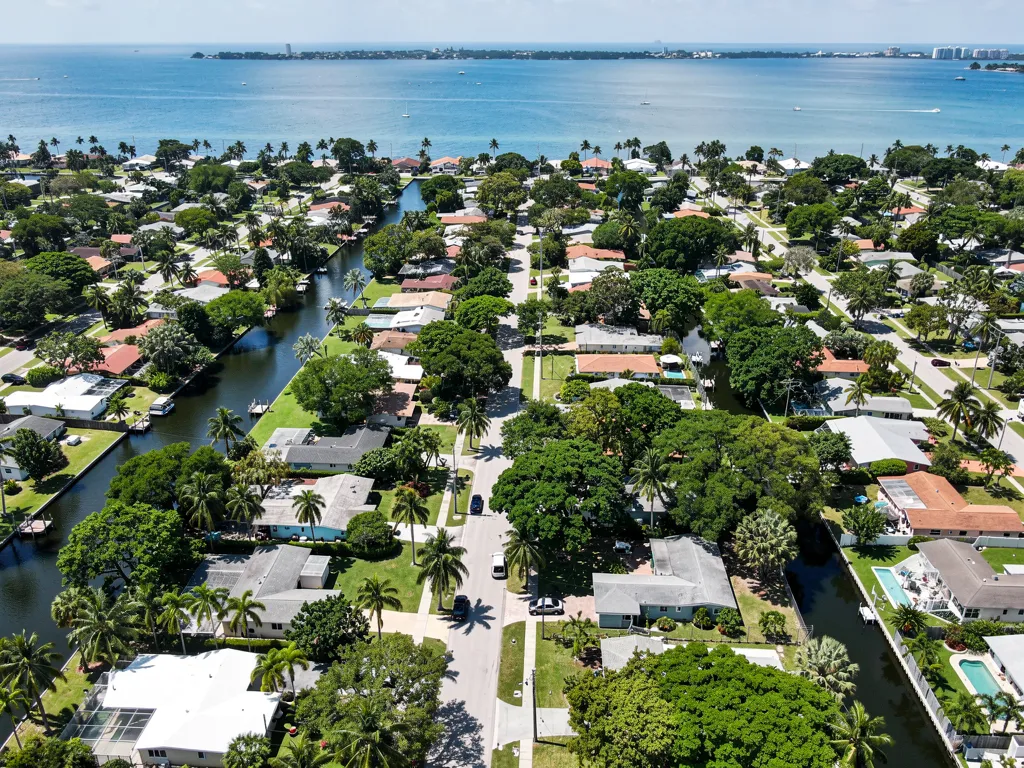
Miami Shores sits just west of Biscayne Bay, and its proximity to the coast introduces a distinct set of environmental stressors that every prospective buyer and seller should understand.
Salt air corrosion accelerates the deterioration of metal components throughout a home — from rooftop HVAC equipment and electrical conduit to structural fasteners and window frames. What appears cosmetically intact from the street may show significant corrosion at the component level during a thorough inspection.
High water tables across Miami-Dade County, including Miami Shores, affect foundations, slabs, and any below-grade construction. Standing water beneath a structure promotes wood rot, mold growth, and long-term foundation movement. A certified inspector evaluates drainage patterns, grading, and any evidence of moisture intrusion at the foundation level.
Localized flooding risk is a growing concern throughout coastal South Florida. Miami Shores properties in lower-lying areas may face increased exposure to street-level flooding during heavy rain events. Inspectors assess the condition of drainage infrastructure, identify signs of prior water intrusion, and help buyers understand how a home’s physical characteristics may influence its flood risk profile.

A certified home inspection report is one of the most powerful documents in a real estate transaction — and its value extends to both buyers and sellers. A thorough Miami Shores property inspection provides an objective, defensible record that supports confident decision-making on both sides of the table.
For buyers, a detailed inspection report provides an objective, documented account of every material defect and deferred maintenance item in the property. This information forms the basis of a repair request or price renegotiation, giving buyers real leverage backed by documented evidence rather than speculation. In a competitive market like Miami Shores, knowing the precise condition of a property allows buyers to make informed decisions — and to negotiate from a position of knowledge.
For sellers, a pre-listing inspection eliminates the element of surprise. Sellers who commission an inspection before listing are able to address significant deficiencies proactively, price the property accurately, and present buyers with a transparent disclosure record. This approach reduces the likelihood of a contract falling through during the inspection contingency period and substantially limits post-sale liability exposure.
In either scenario, the inspection report serves as a comprehensive record of the property’s condition at a specific point in time — a document with lasting legal and financial value.
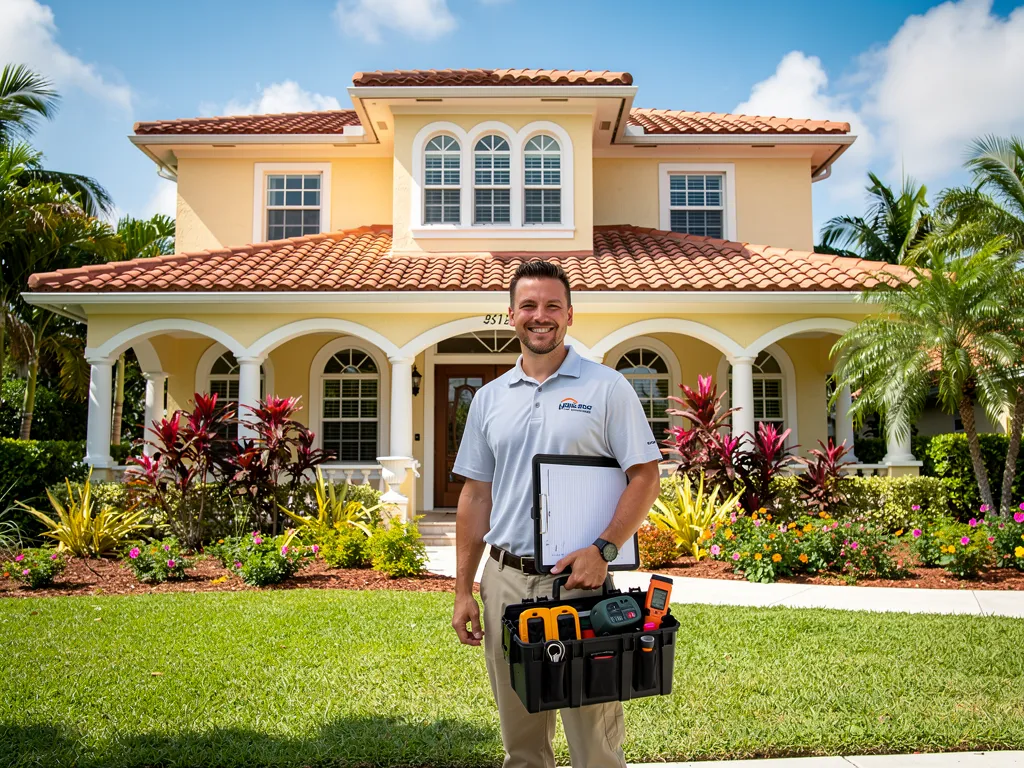
All Estate Home Inspection brings specialized expertise in historic and coastal South Florida properties to every engagement. The team’s deep familiarity with the construction methods, environmental conditions, and common deficiencies found in Miami Shores homes means clients receive an inspection that is thorough, accurate, and delivered with the clarity needed to act confidently.
Every inspection is conducted by certified professionals committed to providing the detailed, impartial reporting that buyers and sellers in Miami Shores deserve. From aging infrastructure to coastal environmental factors, All Estate Home Inspection covers every critical area so that clients are never left without the information they need.
To schedule a certified home inspection in Miami Shores or the surrounding Miami-Dade communities, contact All Estate Home Inspection today.
ð +1 (786) 229-3206 ð§ allestateinspection@gmail.com ð www.allestateinspection.com ð 13800 SW 174th St, Miami, Florida 33177
A certified home inspector evaluates the full physical condition of a home, including the roof, foundation, plumbing, electrical systems, HVAC equipment, and structural components. In Miami Shores, inspectors pay particular attention to aging plumbing systems (including cast iron drain lines), outdated electrical panels, signs of termite or wood-destroying organism activity, salt air corrosion on metal components, and any evidence of moisture intrusion or flood-related damage given the neighborhood’s coastal proximity.
Most residential home inspections in Miami Shores take between two and four hours, depending on the size, age, and condition of the property. Historic homes from the 1920s–1950s — which are common in Miami Shores — often require additional time due to the complexity of older construction systems and the need for more thorough evaluation of aging infrastructure.
A Wood-Destroying Organism (WDO) inspection is typically a separate service performed by a licensed pest control inspector, though it is strongly recommended as a companion to a standard home inspection — especially in South Florida’s warm, humid climate where termite activity is prevalent year-round. All Estate Home Inspection recommends scheduling a WDO inspection alongside the standard inspection for any Miami Shores property, particularly those with older wood-frame construction.
Yes. A pre-listing inspection is a strategic advantage for sellers. It allows them to identify and address significant deficiencies before the home goes to market, price the property accurately based on its documented condition, and present prospective buyers with a transparent disclosure record. This reduces the risk of contract fallout during the inspection contingency period and helps limit post-sale liability.
Look for an inspector who is state-certified, carries errors and omissions (E&O) insurance, and has demonstrable experience with historic and coastal South Florida properties. Familiarity with Miami-Dade County’s specific environmental conditions — including high water tables, salt air corrosion, and local flood risk — is essential. All Estate Home Inspection brings specialized expertise in exactly these conditions, serving buyers and sellers throughout Miami Shores and the surrounding Miami-Dade communities.