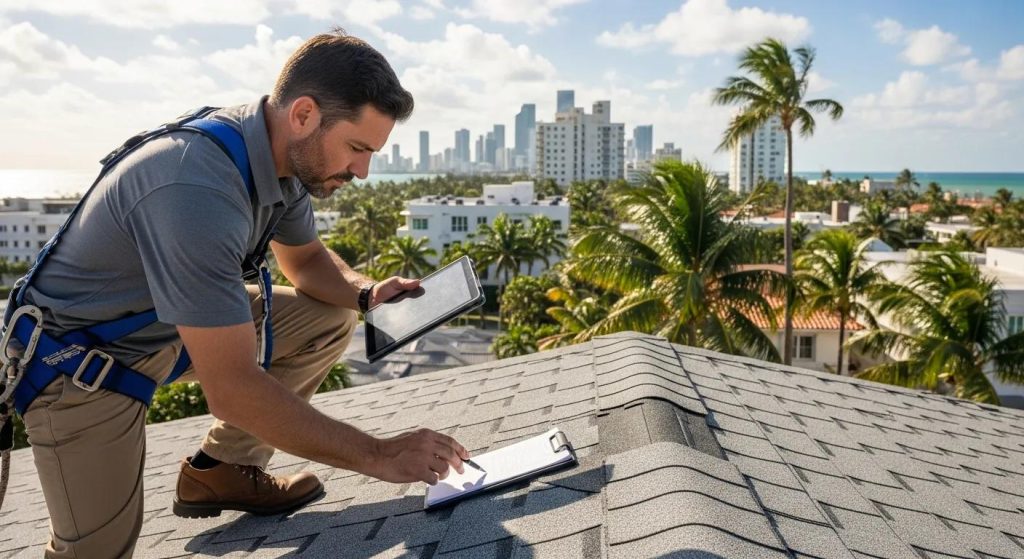
Roof inspections are crucial for maintaining the integrity of a home, yet many homeowners in Miami make common mistakes that can lead to costly repairs. Understanding these pitfalls is essential for ensuring a thorough inspection process. This article will explore the most frequent errors made during roof inspections, their implications for roof longevity and safety, and how to effectively prepare for an inspection. Additionally, we will provide insights into the typical costs associated with roof inspections in Miami and how these factors influence service choices.
Homeowners often overlook critical aspects of roof inspections, which can compromise the safety and durability of their roofs. By identifying these mistakes, homeowners can take proactive steps to avoid them, ensuring their roofs remain in optimal condition. This article will cover the common errors, the types of roof damage often missed, and the key signs of damage that homeowners should recognize. We will also discuss the importance of a “comprehensive roof inspection checklist” and how Miami’s unique climate affects roof damage detection.
Homeowners frequently make several mistakes during roof inspections that can lead to significant issues down the line. These errors include:
These common errors can severely impact the integrity of a roof, leading to costly repairs and safety hazards. Understanding these mistakes is the first step toward ensuring a more effective inspection process.
The mistakes made during roof inspections can have dire consequences for both the longevity of the roof and the safety of the home. Inadequate inspections can lead to undetected damage, which may worsen over time. For instance, failing to identify issues with shingles or flashing can result in leaks, mold growth, and structural damage.
Moreover, ignoring professional help can lead to safety hazards. Homeowners may not have the expertise to identify potential risks, such as weakened structures or hazardous materials. This oversight can compromise the safety of the home and its occupants, making it essential to recognize the importance of thorough inspections.
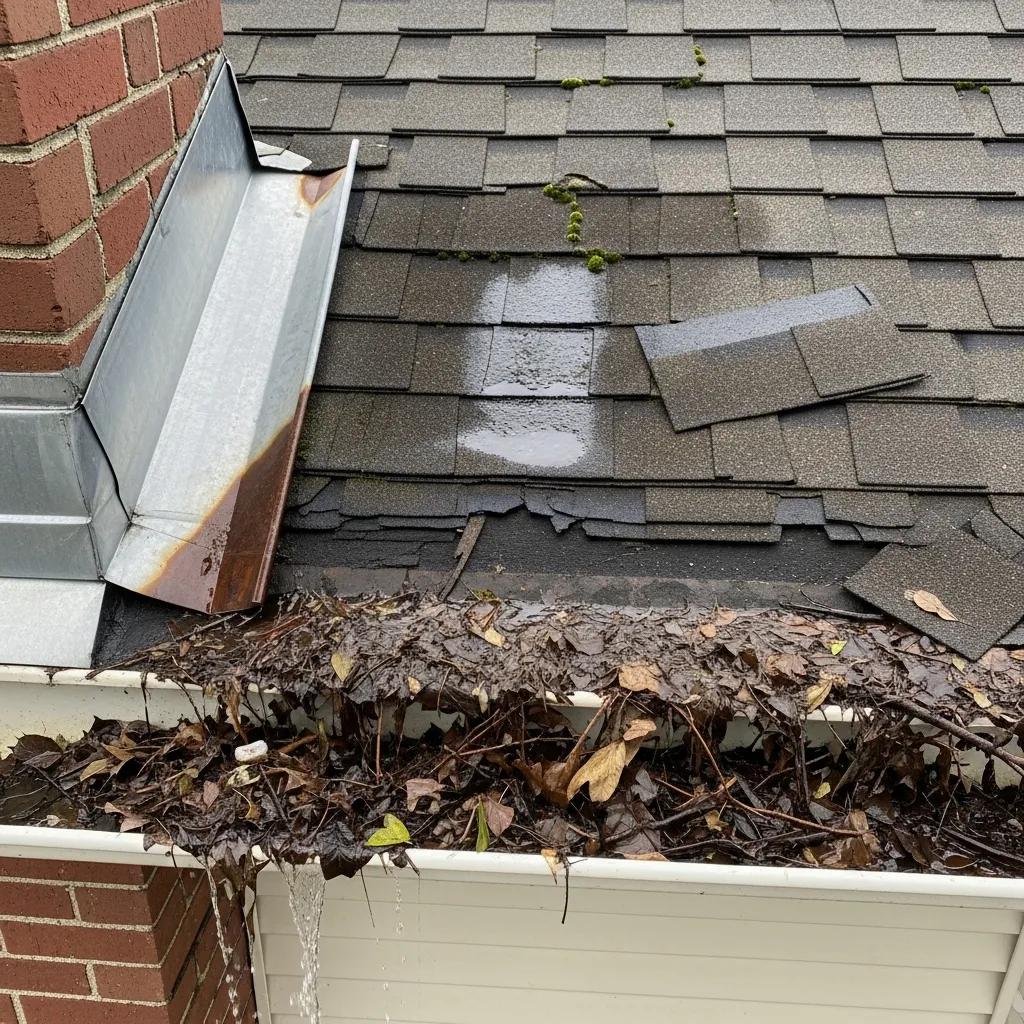
Several types of roof damage are frequently overlooked during inspections, which can lead to significant issues if not addressed promptly. Commonly missed damage types include:
Recognizing these overlooked damage types is crucial for homeowners to ensure their roofs remain in good condition and to prevent costly repairs in the future.
Homeowners should be vigilant in recognizing the signs of roof damage to address issues before they escalate. Key indicators include:
By being aware of these signs, homeowners can take proactive measures to address potential issues and maintain the integrity of their roofs.
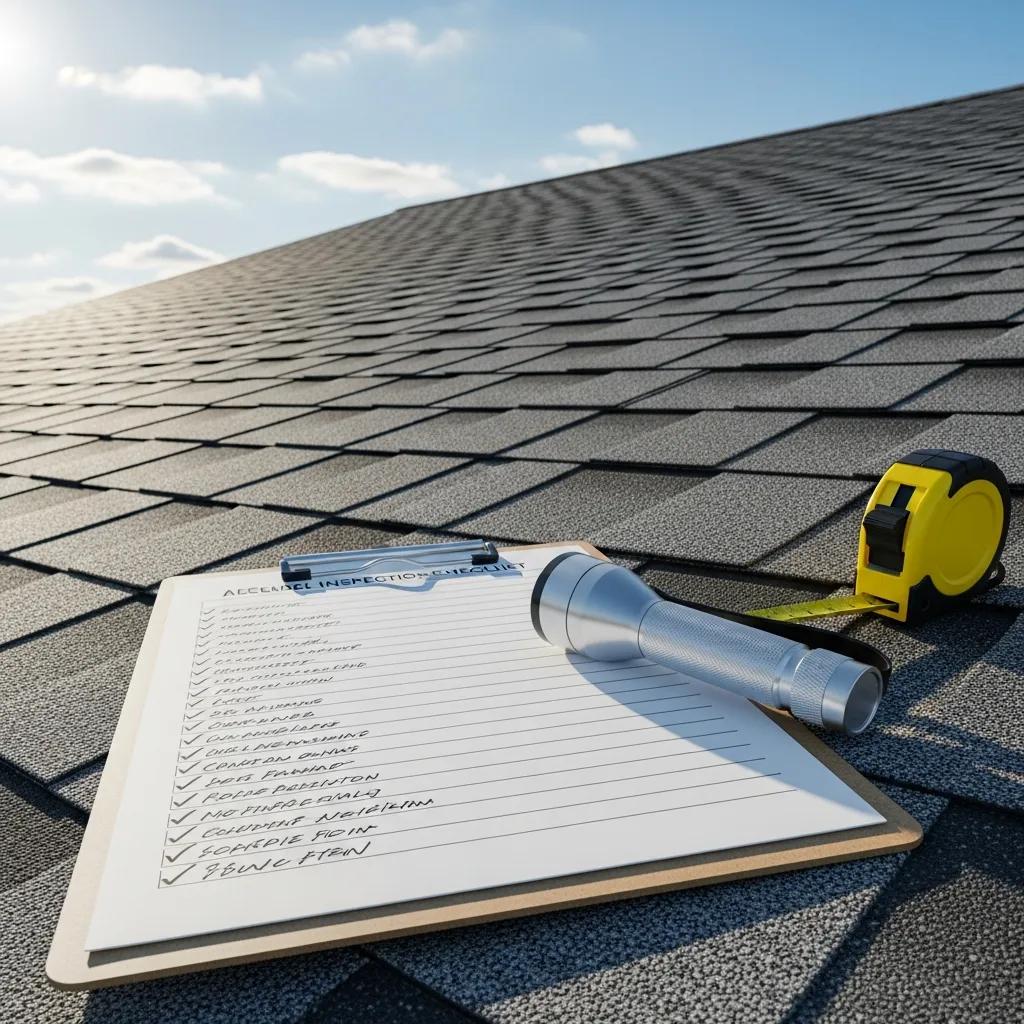
A comprehensive roof inspection checklist is essential for ensuring that all critical areas are examined thoroughly. Key items to include in the checklist are:
| Inspection Item | Importance | Notes |
|---|---|---|
| Shingles | Protect against water intrusion | Check for cracks or missing pieces |
| Flashing | Prevent leaks | Ensure proper installation and sealing |
| Gutters | Direct water away from the roof | Clear blockages and check for damage |
This checklist serves as a valuable tool for homeowners and inspectors alike, ensuring that no critical areas are overlooked during the inspection process.
Miami’s unique climate significantly impacts roof damage detection. The region’s high humidity and frequent storms can exacerbate roof issues, making it essential for homeowners to conduct inspections regularly.
Understanding how Miami’s climate affects roof inspections can help homeowners take proactive measures to protect their roofs.
The cost of roof inspections in Miami can vary based on several factors, including the size of the roof and the complexity of the inspection. Typically, homeowners can expect to pay between $300 and $500 for a comprehensive inspection.
Factors influencing the cost include:
Understanding these costs can help homeowners budget effectively for necessary inspections and choose the right service provider.
For those looking to schedule a roof inspection, All Estate Home Inspection specializes in comprehensive property inspection services, focusing on roof damage inspections. Their detailed inspections are designed to identify issues early and prevent costly repairs, ensuring homeowners can maintain the integrity of their roofs.
When comparing local roof inspection services, homeowners should consider both pricing and quality. Factors to evaluate include:
By carefully evaluating these factors, homeowners can make informed decisions about which inspection service to choose.
As solar energy solutions become more popular, homeowners may wonder about the costs associated with solar-compatible roof inspections. These inspections often require additional considerations, such as:
Understanding these potential costs can help homeowners budget effectively for solar-compatible inspections.
Preparation is key to ensuring a successful roof damage inspection. Homeowners can take several steps to avoid common mistakes:
By taking these preparatory steps, homeowners can facilitate a more effective inspection process.
To ensure accurate and reliable inspection results, homeowners should consider the following steps:
These steps can help homeowners achieve a thorough and reliable inspection, leading to better maintenance of their roofs.
Proper preparation is essential for facilitating solar panel installation assessments. Homeowners should ensure that their roofs are in good condition before installation, as this can impact the success of the solar system. Key preparation steps include:
By following these preparation steps, homeowners can ensure a smooth and successful solar panel installation process.