By Patricia A, All Estate Home Inspection
Navigating the home buying process in Miami can be daunting, especially when it comes to ensuring that your potential new home is in good condition. A comprehensive home inspection checklist is essential for homeowners to identify potential issues before making a purchase. This guide will provide you with a detailed checklist that covers critical areas of inspection, helping you make informed decisions. Additionally, understanding ongoing maintenance needs is crucial for preserving your investment and ensuring safety. This article will explore pre-purchase inspection criteria, ongoing maintenance guidance, and key considerations for evaluating structural components, electrical systems, and plumbing systems in Miami homes.
A thorough home inspection checklist is vital for homeowners in Miami, as it helps identify potential issues that could lead to costly repairs down the line. This checklist should cover various aspects of the home, including structural integrity, electrical systems, plumbing, HVAC systems, roofing, and both exterior and interior conditions. By following this checklist, homeowners can ensure that they are making a sound investment and can address any necessary repairs before finalizing their purchase.
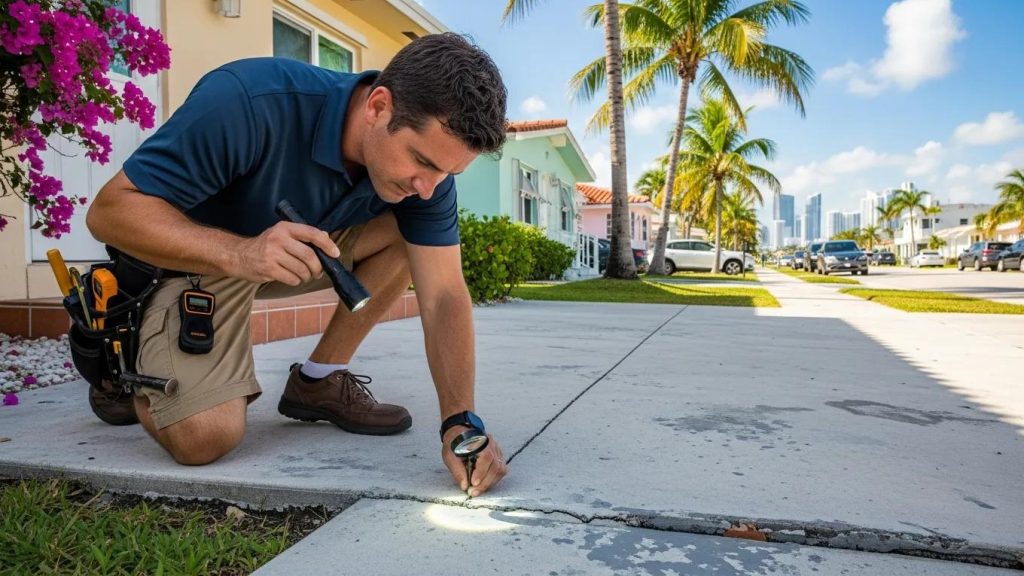
Structural integrity is a fundamental aspect of any home inspection. It involves assessing the foundation, walls, and roof to ensure they are sound and free from significant damage. Homeowners should look for signs of foundation cracks, wall damage, and roof condition. A solid structure is essential for the safety and longevity of the home, making this inspection a top priority.
Evaluating the electrical systems in a home is crucial for safety and functionality. Homeowners should check for wiring safety standards, circuit breaker functionality, and signs of outdated wiring. Ensuring that the electrical systems are up to code can prevent potential hazards and costly repairs in the future.
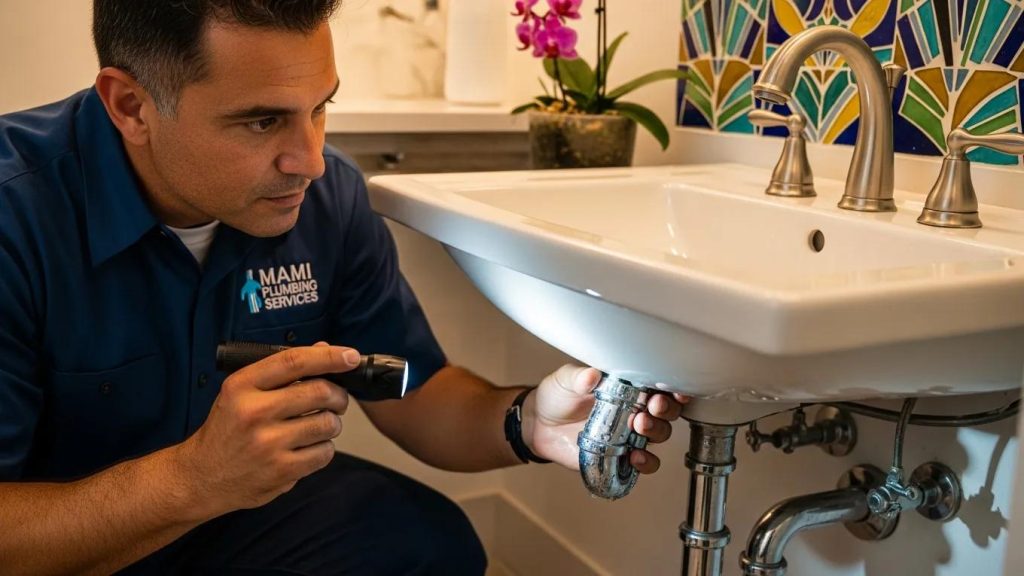
Plumbing inspections are essential to identify any leaks or issues that could lead to water damage. Homeowners should inspect pipes for visible leaks, check fixture functionality, and assess drainage systems. A thorough plumbing inspection can save homeowners from significant repair costs and ensure the home is safe and functional.
The HVAC system is vital for maintaining a comfortable living environment. Homeowners should check the heating and cooling functionality, as well as airflow efficiency. Regular maintenance of HVAC systems can enhance energy efficiency and prolong the lifespan of the equipment.
Roof inspections are critical to ensure the home is protected from the elements. Homeowners should look for damage, missing shingles, and signs of wear. A well-maintained roof is essential for preventing leaks and water damage, making it a key area of focus during inspections.
Assessing both the exterior and interior conditions of the home is important for identifying potential issues. Homeowners should check for siding and window conditions, as well as signs of pest infestations. A thorough inspection of these areas can help maintain the home’s value and livability.
Ongoing maintenance is essential for preserving the condition of a home and preventing costly repairs. Homeowners should prioritize regular inspections, preventive maintenance tasks, and energy efficiency considerations to ensure their home remains in optimal condition.
Scheduling regular inspections is crucial for identifying potential issues before they escalate. Homeowners should consider annual inspections and post-storm roof checks to maintain the integrity of their home. Regular assessments can help catch problems early, saving time and money in the long run.
Preventive maintenance tasks are essential for keeping a home in good condition. Homeowners should prioritize gutter cleaning, leak checks, and other routine maintenance tasks. By staying proactive, homeowners can prevent minor issues from becoming major repairs.
Energy efficiency is an important consideration for homeowners looking to reduce utility costs. Regular checks of insulation and ventilation can help improve energy efficiency. Additionally, assessing solar system compatibility can provide homeowners with sustainable energy options.
Evaluating structural components is essential for ensuring the safety and longevity of a home. Homeowners should focus on the foundation, framing, and roof during their inspections.
Foundation evaluations should include checking for cracks and signs of water intrusion. A solid foundation is crucial for the overall stability of the home, making this inspection a top priority.
Framing inspections should assess for signs of warping and ensure that support structures are intact. Proper framing is essential for maintaining the structural integrity of the home.
Roof evaluations should focus on the condition of roofing materials and any signs of wear. A well-maintained roof is vital for protecting the home from weather-related damage.
Electrical systems are a critical component of any home inspection. Homeowners should evaluate wiring, outlets, and circuit breakers to ensure safety and functionality.
Wiring inspections should include checks for code compliance and insulation evaluations. Proper wiring is essential for preventing electrical hazards and ensuring the home is safe.
Outlets and switches should be tested for functionality and safety. Homeowners should ensure that GFCI outlets are installed in appropriate areas to prevent electrical shocks.
Plumbing systems are vital for the functionality of a home. Homeowners should evaluate pipes, fixtures, and drainage systems during their inspections.
Pipe inspections should focus on visible leak checks and signs of corrosion. Maintaining the plumbing system is essential for preventing water damage and ensuring the home is functional.
Fixture functionality checks should include testing faucets, toilets, and other plumbing fixtures. Ensuring that all fixtures are operational is crucial for daily living.
Drainage evaluations should assess flow rates and venting systems. Proper drainage is essential for preventing water damage and maintaining a healthy home environment.
Evaluating the foundation and framing integrity in Miami properties involves checking for signs of damage and ensuring that structural components are sound. Homeowners should look for cracks in the foundation, signs of water intrusion, and any warping in the framing. Regular assessments can help identify potential issues early, ensuring the safety and longevity of the home.
Roof and exterior inspections for Miami homes should focus on the condition of roofing materials, siding, and windows. Homeowners should check for damage, missing shingles, and signs of wear. Regular inspections of these elements can help maintain the home’s value and protect it from the elements.
Homeowners in Miami should prioritize inspecting electrical systems, including wiring and outlets, as well as plumbing systems, such as pipes and fixtures. Regular evaluations of these systems can help prevent potential hazards and costly repairs.
Critical electrical safety checks for Miami homes include evaluating wiring safety standards, testing outlet functionality, and ensuring that circuit breakers are operational. Regular assessments of these systems can help prevent electrical hazards and ensure the safety of the home.
Identifying common plumbing issues in Miami properties involves checking for visible leaks, assessing fixture functionality, and evaluating drainage systems. Homeowners should be proactive in addressing any plumbing concerns to prevent water damage and maintain a functional home.
Energy efficiency and solar readiness play a significant role in Miami home inspections. Homeowners should assess insulation, ventilation, and the compatibility of solar systems during their inspections. Understanding these factors can help homeowners make informed decisions about energy efficiency improvements.
Essential energy efficiency checks for Miami homeowners include evaluating insulation levels, checking ventilation systems, and assessing the compatibility of solar energy solutions. Regular assessments can help homeowners reduce utility costs and improve the overall efficiency of their homes.
Assessing solar panel compatibility during a Miami home inspection involves evaluating the structural integrity of the roof and the electrical system’s capacity to support solar energy solutions. Homeowners should consider these factors to determine the feasibility of installing solar panels.
Homeowners can schedule and prepare for a professional home inspection in Miami by researching qualified inspectors and gathering necessary documentation. Recommended timelines for scheduling inspections should be considered to ensure a smooth process.
Typical costs for Miami home inspections can vary based on the size and condition of the property. Homeowners should be aware of scheduling procedures and plan accordingly to ensure timely inspections.
Homeowners should provide previous inspection reports, maintenance records, and access to all areas of the home for an effective inspection. Ensuring that inspectors have the necessary information can lead to a more thorough evaluation.