
Home inspections are a crucial step in the real estate process, especially in vibrant markets like Miami. They provide buyers and homeowners with essential insights into the condition of a property, helping to identify potential issues before they become costly repairs. This article will explore the importance of home inspections, common issues uncovered during these evaluations, and the various types of inspections available. Additionally, we will discuss how to choose a qualified inspector and what to expect during and after the inspection process. By understanding these elements, buyers and homeowners can make informed decisions and protect their investments.
Home inspections play a vital role in the real estate transaction process. They assess the structural integrity of a property, identify potential issues, and ultimately protect the buyer’s investment. A thorough inspection can reveal hidden problems that may not be visible during a casual walkthrough, such as electrical faults, plumbing issues, or structural damage. By addressing these concerns early, buyers can negotiate repairs or reconsider their purchase, ensuring they make a sound investment in their future.
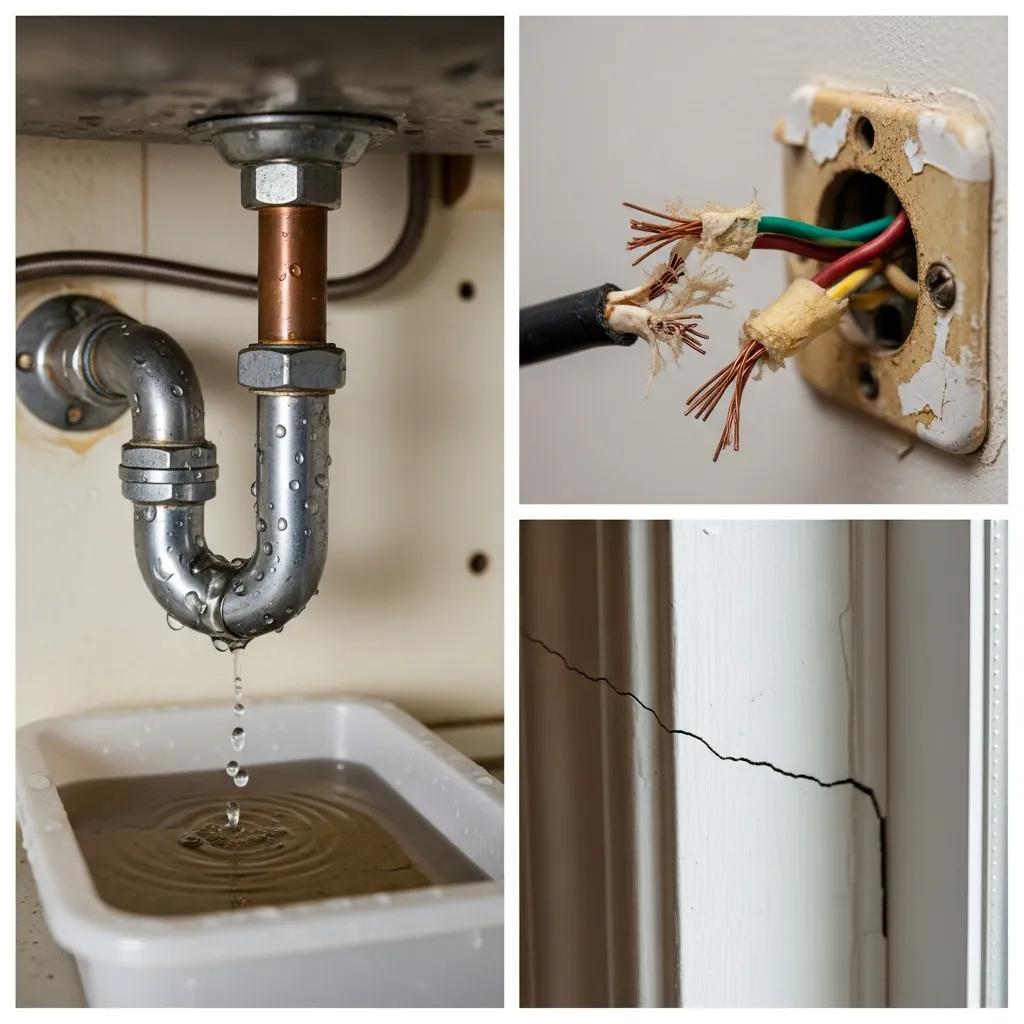
During a home inspection, several common issues may be identified that could affect the property’s value and safety. These include:
Understanding these potential problems can help buyers make informed decisions and prioritize necessary repairs.
In Miami, various types of home inspections are available to cater to different needs. These include:
All Estate Home Inspection provides a range of services tailored to meet the needs of Miami’s diverse real estate market.
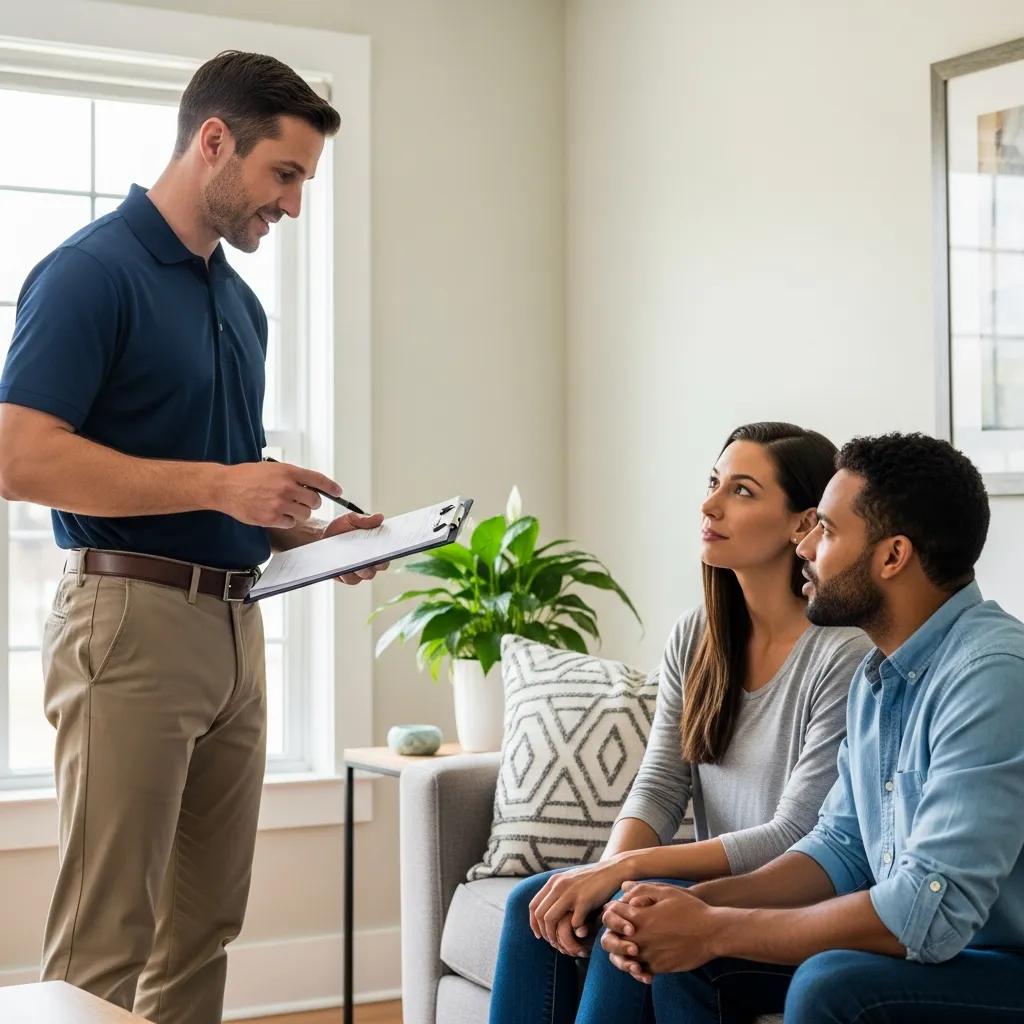
Selecting a qualified home inspector is crucial for ensuring a thorough evaluation. Buyers should consider the following factors when choosing an inspector:
By taking these steps, buyers can find a qualified inspector who will provide a comprehensive assessment of the property.
It is highly recommended that buyers attend their home inspection. Being present allows them to ask questions, understand concerns, and gain firsthand experience of the property’s condition. This engagement can also help buyers better interpret the inspection report and prioritize any necessary repairs.
After the inspection, buyers will receive a detailed report outlining the findings. It is essential to focus on key areas, identify recommendations, and consult professionals if needed. Understanding the report can help buyers make informed decisions about repairs and negotiations with the seller.
A typical Miami home inspection includes several critical components:
These components ensure that the property is safe and livable, providing peace of mind to buyers.
Miami offers a variety of property inspection services to meet diverse needs. These include:
Among these advanced techniques, infrared thermography stands out as a powerful tool for non-destructively assessing building elements and identifying hidden problems.
Infrared Thermography for Building Diagnostics
The use of thermal infrared (IR) imaging is a valuable tool for inspecting and performing non-destructive testing of building elements, detecting where and how energy is leaking from a building’s envelope, collecting data for clarifying the operating conditions of hard to reach heating, ventilating and air-conditioning (HVAC) installations, identifying problems with the electrical and mechanical installations under full-load operating conditions. IR inspections involve the detection of IR electromagnetic radiation emitted by the inspected object.
Infrared thermography for building diagnostics, CA Balaras, 2002
All Estate Home Inspection specializes in delivering comprehensive home inspection solutions tailored to the unique characteristics of Miami properties.
Environmental inspections are essential for identifying potential hazards that could affect the safety and health of residents. These inspections can uncover issues such as mold, lead paint, or radon gas, which may pose significant health risks. By addressing these concerns, homeowners can create a safer living environment and protect their family’s well-being.
When selecting a licensed home inspector in Miami, buyers should:
By following these guidelines, buyers can find a qualified inspector who will provide a comprehensive assessment of the property.
Qualified home inspectors in Miami should possess specific credentials, including:
These credentials ensure that inspectors are knowledgeable and capable of delivering thorough evaluations.
Local expertise is crucial for residential inspections in Miami due to the unique characteristics of the region. Inspectors familiar with local building codes, common issues, and weather-related risks can provide more accurate assessments. This knowledge helps buyers make informed decisions and ensures that properties meet safety and compliance standards.
The costs of home inspections in Miami can vary based on several factors, including the size and age of the property. Typically, buyers can expect to pay between $300 and $500 for a full home inspection. Scheduling availability may also vary, so it’s essential to book inspections early in the home-buying process to ensure timely evaluations.
The price of a pre-purchase home inspection is influenced by several factors, including:
Understanding these factors can help buyers budget for their inspection costs effectively.
Buyers and homeowners should schedule their inspections as early as possible in the buying process. Ideally, inspections should occur before finalizing the purchase to allow time for negotiations and repairs. Early inspections can also help identify any significant issues that may affect the buyer’s decision.
Interpreting a Miami home inspection report requires careful attention to detail. Buyers should:
By following these steps, buyers can make informed decisions based on the inspection findings.
A residential inspection report typically includes:
These details provide valuable insights into the property’s condition and help buyers prioritize necessary actions.
After receiving the inspection report, buyers and homeowners should take the following steps:
By following these steps, buyers can ensure they address any concerns raised during the inspection process effectively.
If your home inspection uncovers significant issues, it’s essential to address them promptly. Start by discussing the findings with your real estate agent to understand your options. You may negotiate repairs with the seller, request a price reduction, or even reconsider your purchase if the problems are too severe. It’s also wise to consult with professionals for estimates on repair costs to make informed decisions moving forward.
A typical home inspection in Miami usually takes between two to four hours, depending on the size and condition of the property. Larger homes or those with more complex systems may require additional time. It’s advisable for buyers to be present during the inspection to ask questions and gain insights into the property’s condition. This engagement can enhance understanding and help prioritize any necessary repairs.
Yes, Florida has specific regulations governing home inspections. Inspectors must be licensed by the state and adhere to the standards set by the Florida Department of Business and Professional Regulation. These regulations ensure that inspections are conducted thoroughly and ethically, providing buyers with reliable assessments of property conditions. It’s important to verify that your inspector complies with these regulations for peace of mind.
A home inspection and a home appraisal serve different purposes. A home inspection evaluates the property’s condition, identifying potential issues that may need repair. In contrast, a home appraisal determines the property’s market value based on its condition, location, and comparable sales in the area. While both are essential in the home-buying process, they focus on different aspects of the property.
Yes, you can and should attend the home inspection. Being present allows you to ask questions, gain firsthand knowledge of the property’s condition, and understand any concerns the inspector may raise. This engagement can help you interpret the inspection report more effectively and prioritize repairs or negotiations with the seller based on the findings.
If you discover issues after closing on the home, your options may be limited, especially if the inspection was thorough and you waived contingencies. However, you can still address the problems by contacting the seller if they were disclosed during negotiations. If the issues are severe and were not disclosed, you may need to consult a legal professional to explore potential recourse options, such as pursuing a claim for misrepresentation.
Homeowners should consider getting their property inspected every few years, especially if the home is older or has experienced significant weather events. Regular inspections can help identify maintenance issues before they escalate into costly repairs. Additionally, if you notice any signs of trouble, such as leaks or electrical problems, it’s wise to schedule an inspection sooner to address these concerns promptly.