
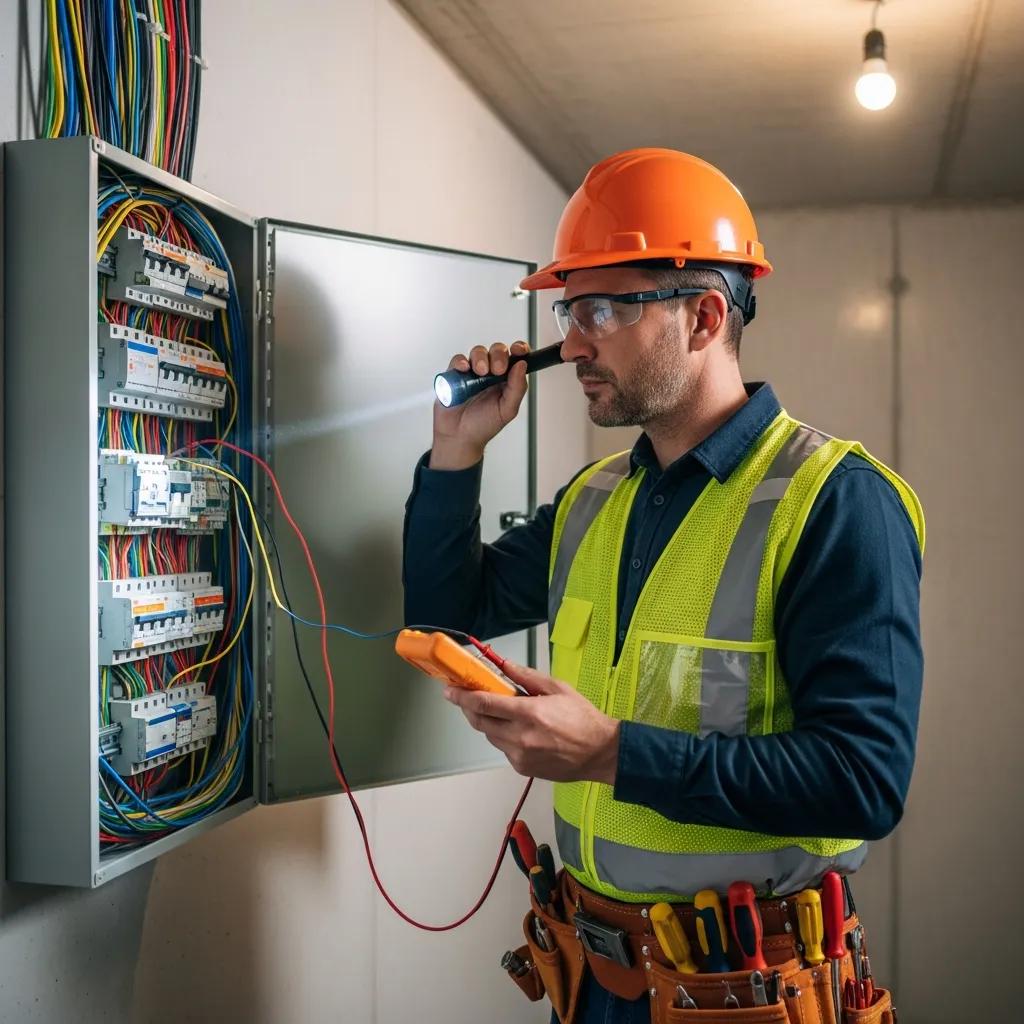
Home inspections are crucial for identifying potential hazards in residential properties, particularly concerning electrical systems. Common electrical issues can pose significant risks to homeowners, including safety hazards and costly repairs. This article will explore frequent electrical problems found during home inspections, how to detect them, and the implications for home safety. We will also discuss the importance of scheduling regular inspections to ensure compliance with current electrical codes and the integration of solar energy solutions. By understanding these common electrical issues, homeowners can take proactive steps to maintain their properties and enhance safety.
Electrical wiring problems are among the most common issues identified during home inspections. These issues can range from outdated wiring to improper installations, each posing unique risks. Outdated wiring, for instance, can lead to electrical failures and safety hazards, while improper installations may result in malfunctioning systems. Faulty circuits are another significant concern, often requiring immediate attention to prevent further complications.
| Electrical Issue | Description | Implications |
|---|---|---|
| Outdated Wiring | Wiring that does not meet current safety standards | Increased risk of electrical fires |
| Improper Installations | Wiring or devices installed incorrectly | Potential for electrical failures |
| Faulty Circuits | Circuits that do not function properly | Risk of appliance malfunctions |
Understanding these common electrical issues is essential for homeowners to ensure their safety and the functionality of their homes.
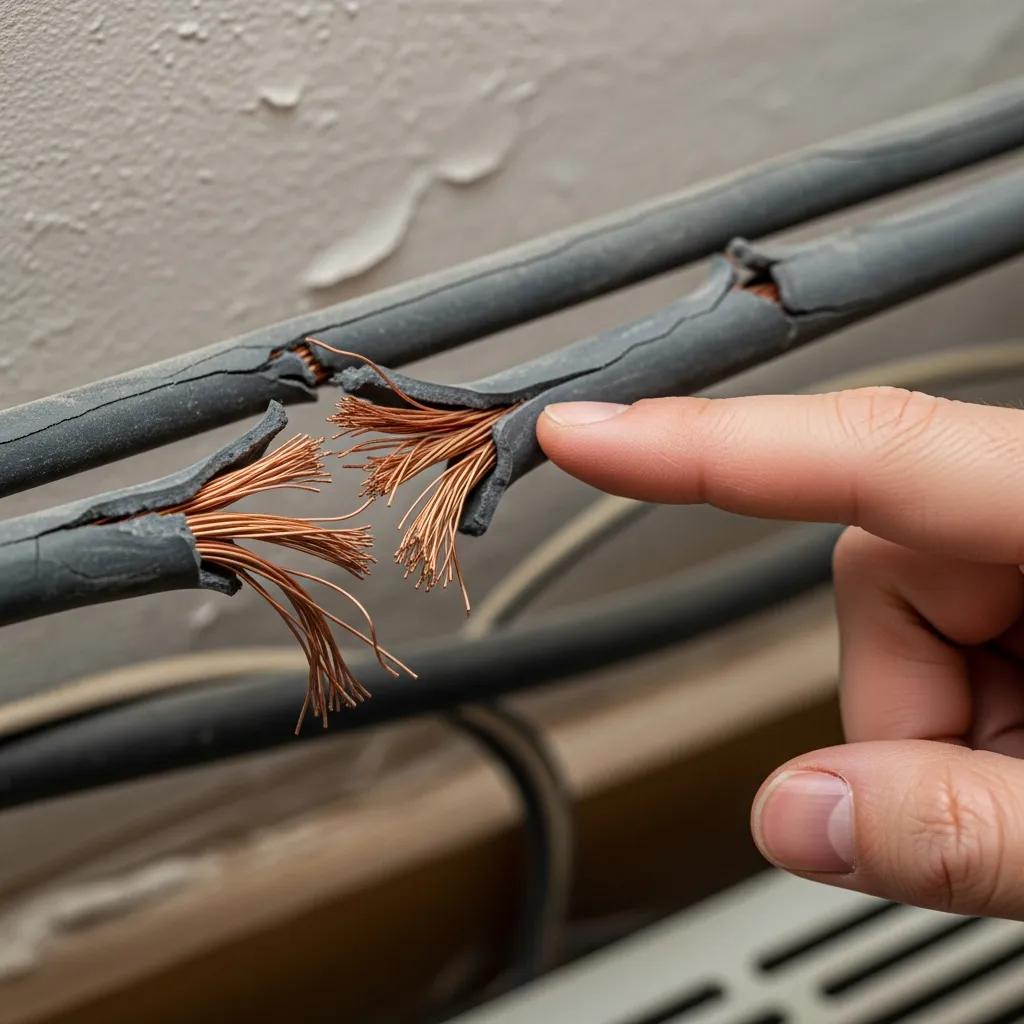
Detecting frayed or damaged electrical wiring is critical during home inspections. Homeowners should look for visible signs of wear, such as exposed wires or insulation damage. Additionally, checking outlets for functionality and evaluating circuit breakers for overheating can help identify potential issues. Regular inspections can prevent minor problems from escalating into significant hazards.
Faulty wiring poses several risks to home safety, including the potential for electrical fires and electrical shocks. Outdated or damaged wiring can lead to short circuits, which may ignite fires. Additionally, homeowners may face the risk of electrical shocks when using appliances connected to faulty wiring. Understanding these risks is vital for maintaining a safe living environment.
Indeed, the prevalence and devastating impact of electrical fires, often difficult to trace to their exact origin, are well-documented.
Electrical Fire Hazards & Property Loss
Electrical fires are not always noted despite their prevalence. When fire is severe, it can be difficult to discern whether an electrical appliance started the fire or if a poorly wired plug was the case. Electrical fires are pervasive throughout Lagos state, causing injury, claiming lives, and resulting in large losses of property.
Tatistical analysis of electrical fire outbreaks in buildings: Case study of Lagos State,
Nigeria, A Adekunle, 2016
Electrical panels are critical components of a home’s electrical system, and several issues can arise during inspections. Common problems include outdated wiring within the panel, improper installations, and safety hazards related to grounding. Identifying these issues early can prevent significant safety risks and ensure the panel operates efficiently.
Outdated or overloaded electrical panels can significantly impact a home’s functionality. An overloaded panel may struggle to supply adequate power to modern appliances, leading to frequent outages. Additionally, outdated panels may not comply with current electrical codes, posing safety risks. Homeowners should consider upgrading their panels to ensure optimal performance and safety.
Recognizing the signs that indicate an electrical panel upgrade is necessary can help homeowners maintain safety and functionality. Frequent tripping of circuit breakers, insufficient power supply for modern appliances, and the presence of aluminum wiring are all indicators that an upgrade may be needed.
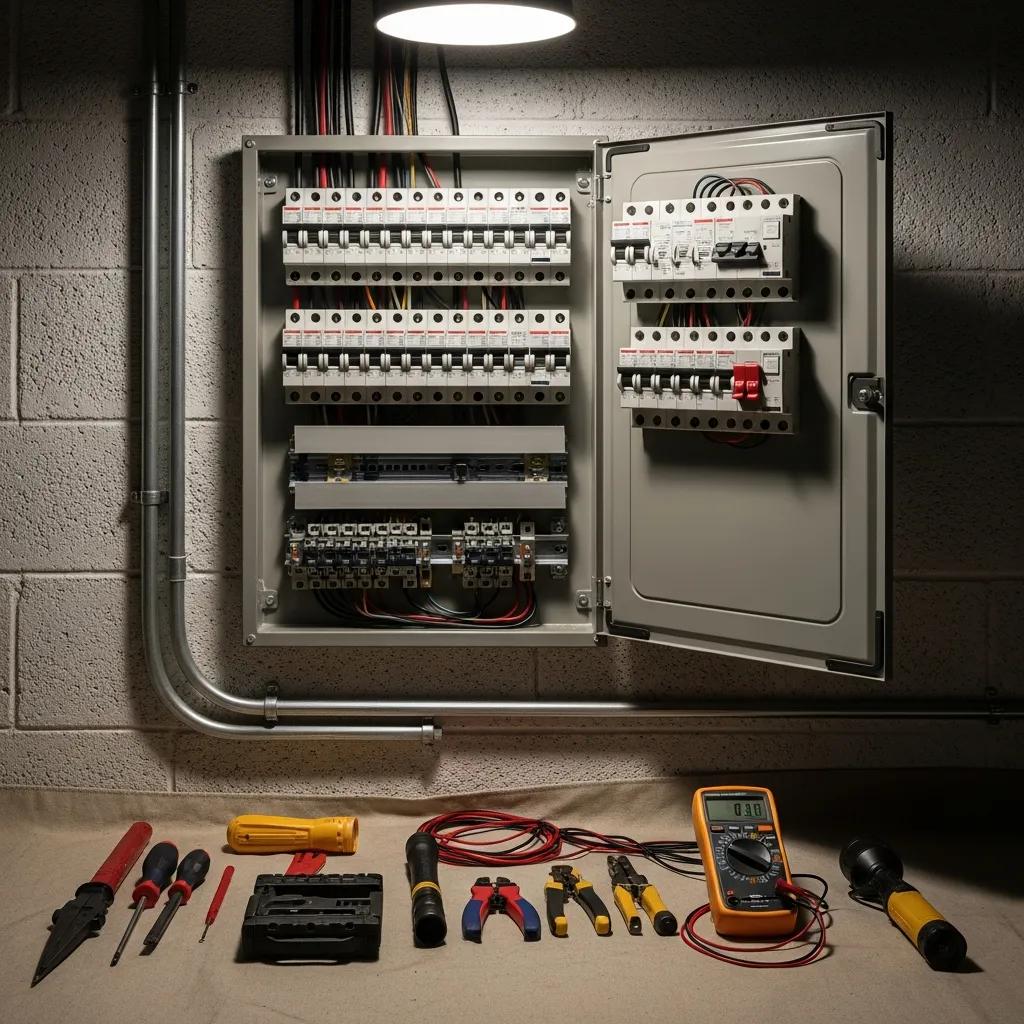
Circuit breakers are essential for protecting a home’s electrical system, and several common problems can arise during inspections. Issues such as outdated wiring, improper installations, and safety hazards related to electrical systems are frequently identified. Addressing these problems promptly can prevent further complications and enhance safety.
Recognizing faulty or tripping circuit breakers is crucial for maintaining a safe electrical system. Homeowners should look for signs of overheating, unusual noises, and test the functionality of breakers regularly. Identifying these issues early can prevent more significant problems down the line.
Circuit breaker failures can have serious safety implications, including the risk of electrical fires and power outages. Homeowners should be aware of these risks and take proactive measures to ensure their electrical systems are functioning correctly. Regular inspections can help identify potential issues before they escalate.
Research further emphasizes the critical safety risks associated with substandard circuit breakers in residential power systems.
Substandard Circuit Breakers: Residential Safety Risk
Unlike the fuses, which sacrifice in protecting electric circuits against overcurrent faults, there is a power safety risk if there are substandard circuit breakers in a power distribution system.
Analysis of power resilience for outdated residential power distribution systems in realistic operating conditions, C Lei, 2023
Outdated electrical systems can significantly increase risks in residential properties. These systems may not comply with current safety standards, leading to potential hazards such as electrical fires and shocks. Homeowners should consider upgrading their electrical systems to enhance safety and functionality.
Identifying the common indicators of outdated electrical systems can help homeowners take proactive measures. Signs of wear in wiring and outlets, non-compliance with current electrical codes, and the presence of outdated components are all indicators that an upgrade may be necessary.
Electrical inspections play a vital role in supporting solar energy integration and ensuring compliance with current electrical codes. By evaluating existing electrical systems, inspectors can identify potential hazards that may affect solar installations. This proactive approach helps homeowners safely integrate solar energy solutions into their properties.
Proper electrical inspections are crucial for solar energy integration, as research highlights common electrical faults that can arise during panel installation if not addressed.
Solar Panel Installation: Common Electrical Faults
The findings indicate that precise planning, skilled labor, and compliance with safety regulations are essential for successful panel installation. Common challenges identified include improper load calculations, inadequate circuit protection, and wiring faults, which can lead to inefficiencies and system failures.
Panel Installation Work, T Wungkana, 2025
Regular electrical inspections are essential for maintaining safety and functionality in residential properties. Homeowners should prioritize scheduling these inspections to address common electrical issues and ensure compliance with current standards. For those considering solar energy solutions, understanding the importance of electrical inspections can facilitate a smooth integration process.