By Patricia A, All Estate Home Inspection
Finding a certified home inspector is crucial for homeowners looking to make informed decisions about their property. Certified home inspectors provide a thorough evaluation of a home’s condition, identifying potential issues that could affect safety and value. This article will guide you through the essential aspects of hiring certified home inspectors, including their qualifications, services offered, costs, and tips for selecting the right inspector. Understanding these factors can help you navigate the home inspection process effectively, ensuring that you choose a qualified professional who meets your needs.
Certified home inspectors play a vital role in the real estate process by providing detailed assessments of properties. These professionals are trained to identify issues that may not be visible to the untrained eye, such as structural problems, electrical issues, and plumbing concerns. Hiring a certified inspector ensures that you receive a comprehensive evaluation, which can help you make informed decisions about purchasing or selling a home. Their expertise not only aids in negotiations but also enhances the safety and longevity of your investment.
To become a certified home inspector, individuals must meet specific qualifications that demonstrate their expertise and reliability. These qualifications typically include:
Further emphasizing the importance of rigorous qualification, some certifications are directly linked to advanced vocational training.
Home Inspector Certification and NVQ Qualifications
With an approved Level 4 NVQ, entry is immediately gained to the final assessment and it is at this level of qualification that Home Inspectors are likely to be approved for certification.
Inspections and Reports on Dwellings: Inspecting, 2014
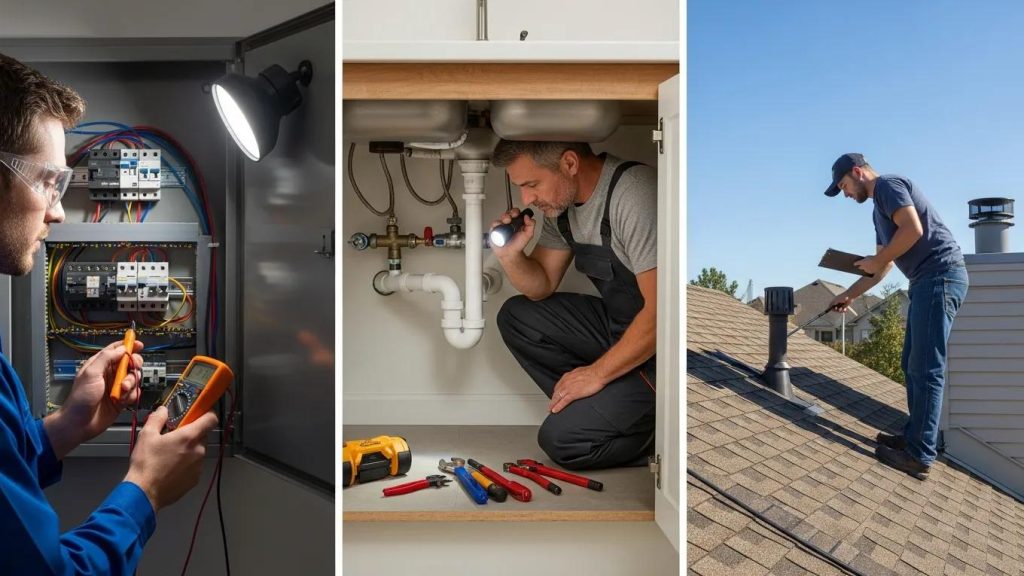
Home inspectors provide a range of services that can vary based on the inspector’s qualifications and the specific needs of the homeowner. Common services include:
All Estate Home Inspection specializes in comprehensive property inspection services, focusing on certified home inspections that help homeowners make informed decisions.

The cost of hiring a certified home inspector can vary based on several factors, including the size of the property, the type of inspection, and the inspector’s experience. Typical costs include:
| Service | Price Range | Description |
|---|---|---|
| Standard Home Inspection | $300 – $500 | Comprehensive evaluation of the entire property. |
| Specialized Inspections | $100 – $300 | Additional tests for specific concerns like mold or radon. |
| 4 Point Inspection | $150 – $250 | Focused assessment of four critical areas for insurance purposes. |
Understanding these costs can help homeowners budget for inspections and ensure they receive the necessary evaluations before making significant property decisions.
Choosing the right home inspector is essential for ensuring a thorough evaluation of your property. Here are some tips to consider:
Certified home inspectors must meet specific qualifications that ensure their expertise and reliability. These qualifications typically include licensing, certifications, and relevant experience.
Licensing and certification are critical for ensuring that home inspectors adhere to industry standards. Recognized certifications, such as the CRI and CMI, indicate a commitment to ongoing education and professional development. These certifications often require inspectors to complete continuing education courses, ensuring they stay updated on the latest building codes and inspection techniques.
Local expertise is invaluable in home inspections, as inspectors familiar with the area can identify common issues specific to the region. They understand local building codes and regulations, which can significantly impact the inspection process. This knowledge allows them to provide informed recommendations based on local conditions, enhancing the overall accuracy of the inspection.
Comprehensive home inspection packages typically include a thorough evaluation of various systems and components within the property. Key services often covered are:
A property inspection checklist is a vital tool that guides inspectors through the evaluation process. Common items included in a checklist are:
Inspections play a crucial role in assessing a property’s readiness for solar energy systems. Inspectors evaluate the structural integrity of the roof, ensuring it can support solar panels. They also check the electrical systems for compatibility with solar technology and ensure compliance with local regulations. This thorough assessment helps homeowners understand the feasibility of installing solar energy systems.
Selecting a licensed home inspector involves several considerations to ensure you find a qualified professional. Key factors to consider include:
When choosing a home inspector, homeowners should evaluate several factors to ensure they select the right professional. Important considerations include:
Inspection reports provide detailed findings and recommendations that are crucial for making informed purchase decisions. These reports typically include:
Pre-purchase home inspections typically range from $300 to $500, depending on the property’s size and location. Scheduling options can vary, with many inspectors offering flexible times to accommodate buyers’ needs. It’s advisable to schedule inspections as early as possible in the buying process to allow time for negotiations based on the findings.
Pricing for home inspections can vary significantly based on the scope of the inspection and the type of property. Factors influencing costs include:
To ensure a smooth home inspection process, homeowners should follow best practices for scheduling services. Key recommendations include: