
Selecting the right home inspector is a crucial step in the home buying process, as it can significantly impact your investment. A qualified home inspector provides a thorough evaluation of the property, identifying potential issues that could affect its value and safety. This guide will help you understand the essential qualifications and certifications to look for, how to verify credentials, and what to expect during the home inspection process. By the end of this article, you will be equipped with the knowledge to make an informed decision when choosing a Home Inspector in Miami.
A qualified home inspector should possess specific qualifications and certifications that demonstrate their expertise in the field. Licensing is essential, as it ensures that the inspector has met the necessary educational and training requirements. Additionally, various certifications from recognized organizations can indicate a higher level of proficiency. Experience is also a critical factor; inspectors with a solid background in home construction or engineering may provide more comprehensive evaluations.
To ensure you are hiring a qualified Home Inspector in Miami, it is vital to verify their credentials and licensing. Start by checking their licensing status through your state’s regulatory agency. This step confirms that the inspector is legally allowed to perform inspections in your area. Additionally, reviewing their certifications can provide insight into their specialized training. Assessing their experience, including the number of inspections conducted, can further help you gauge their competence.
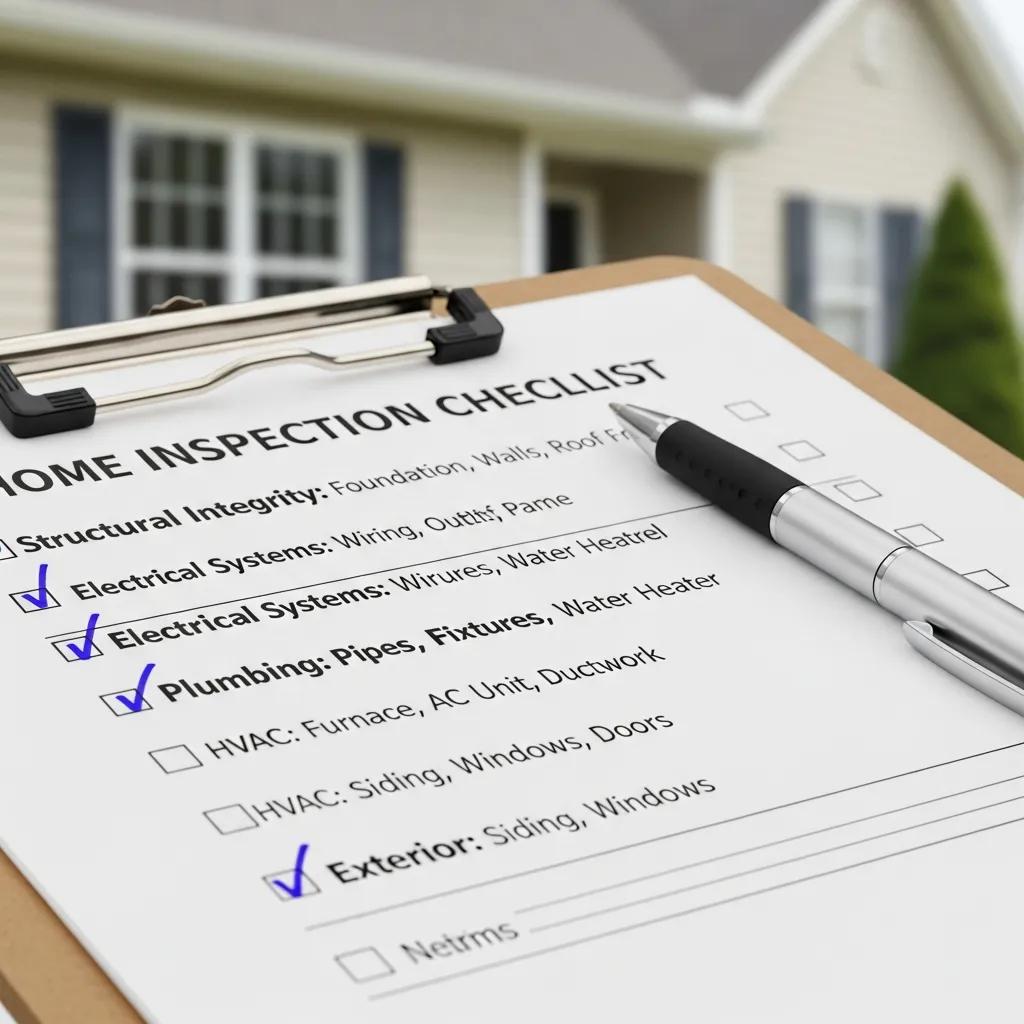
A thorough home inspection should cover various components of the property. Here’s a checklist of essential areas to evaluate:
This checklist serves as a guideline for what to expect during a home inspection, ensuring that no critical areas are overlooked.
Evaluating structural and safety elements is a fundamental aspect of the home inspection process. Inspectors assess the foundation and roof to identify any potential issues that could compromise the property’s integrity. They also examine electrical and plumbing systems to ensure they meet safety standards. A thorough evaluation helps prevent future problems and ensures that the home is safe for occupancy. Choosing a qualified Home Inspector in Miami, such as those from All Estate Home Inspection, can provide peace of mind, knowing that the evaluation will be comprehensive and reliable.
As solar energy systems become more prevalent, it is essential to understand how they are assessed during home inspections. Inspectors should evaluate the integration of solar systems with the home’s electrical systems, ensuring compliance with local regulations. They also identify potential hazards, such as improper installations or outdated equipment. A thorough assessment of solar energy systems can help homeowners maximize their investment in renewable energy.
When choosing a Home Inspector in Miami, consider additional factors that may influence your decision. Experience in the local market can provide valuable insights into common issues specific to your area. Customer reviews and testimonials can also offer perspectives on the inspector’s reliability and thoroughness. Finally, attending the inspection can help you understand the process and ask questions directly.
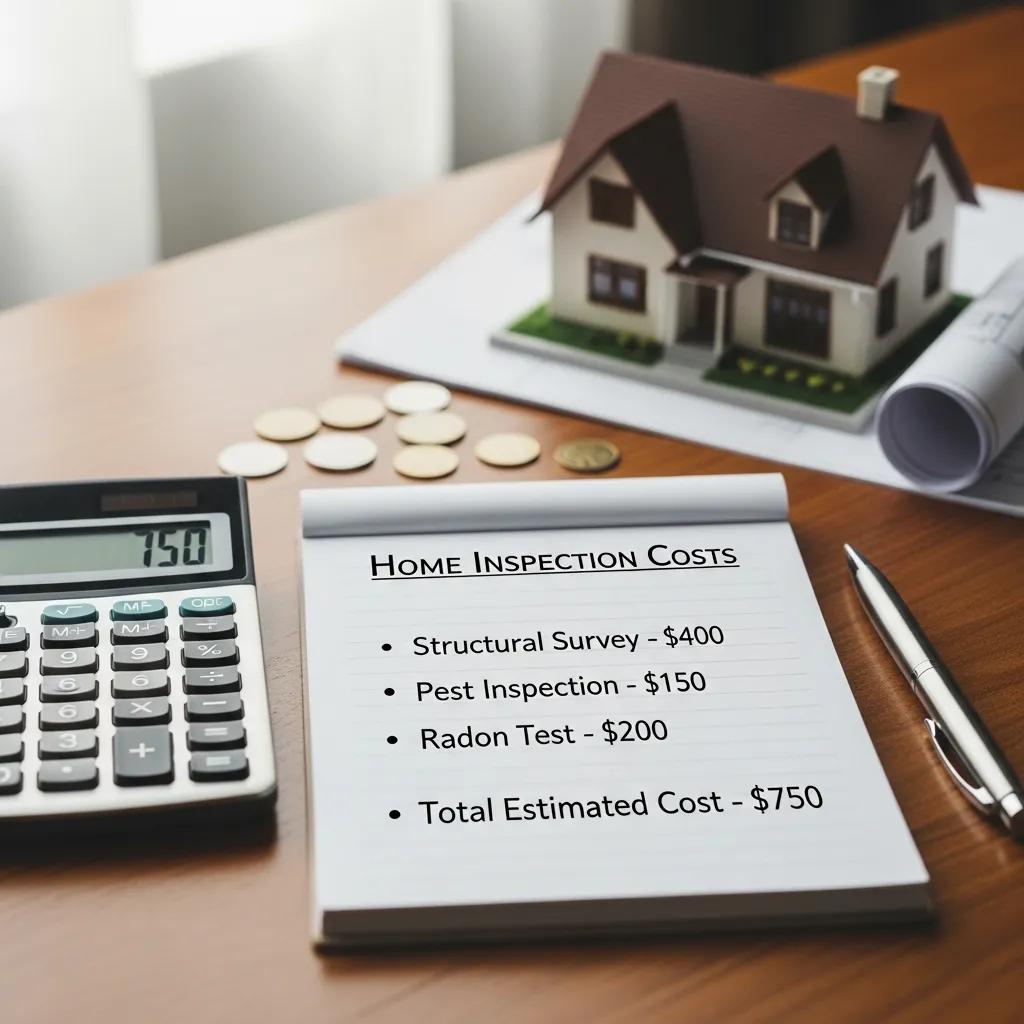
Evaluating the costs associated with home inspections is crucial for understanding the value of your investment. Factors influencing pricing include the size and age of the property, as well as the type of inspection required. It is essential to assess the quality of services offered by different inspectors to ensure you receive a comprehensive evaluation. By understanding these factors, you can maximize your investment in a home inspection.
Several factors can affect the cost of home inspection services. These include:
Understanding these factors can help you budget appropriately for your home inspection.
When comparing pricing among home inspection services, consider the qualifications and experience of each inspector. Look for those who offer a detailed breakdown of their services and pricing. Customer reviews can also provide insights into the value of the services offered. By evaluating these aspects, you can make an informed decision that balances cost with quality.
Before hiring a Home Inspector in Miami, it is crucial to ask the right questions to ensure they meet your needs. Consider asking:
These questions can help you gauge the inspector’s qualifications and reliability.
A qualified home inspector should provide a detailed inspection report that outlines their findings. This report typically includes photographs and descriptions of any issues discovered during the inspection. Additionally, a good inspector will take the time to educate homeowners about their findings, explaining the implications and potential solutions. This engagement is vital for helping homeowners make informed decisions regarding repairs or negotiations.
References and client testimonials are essential for verifying an inspector’s credibility. A reputable inspector should be willing to provide contact information for past clients who can share their experiences. Insights from previous clients can help you understand the inspector’s thoroughness, professionalism, and overall quality of service. This information is invaluable in making your final decision.