
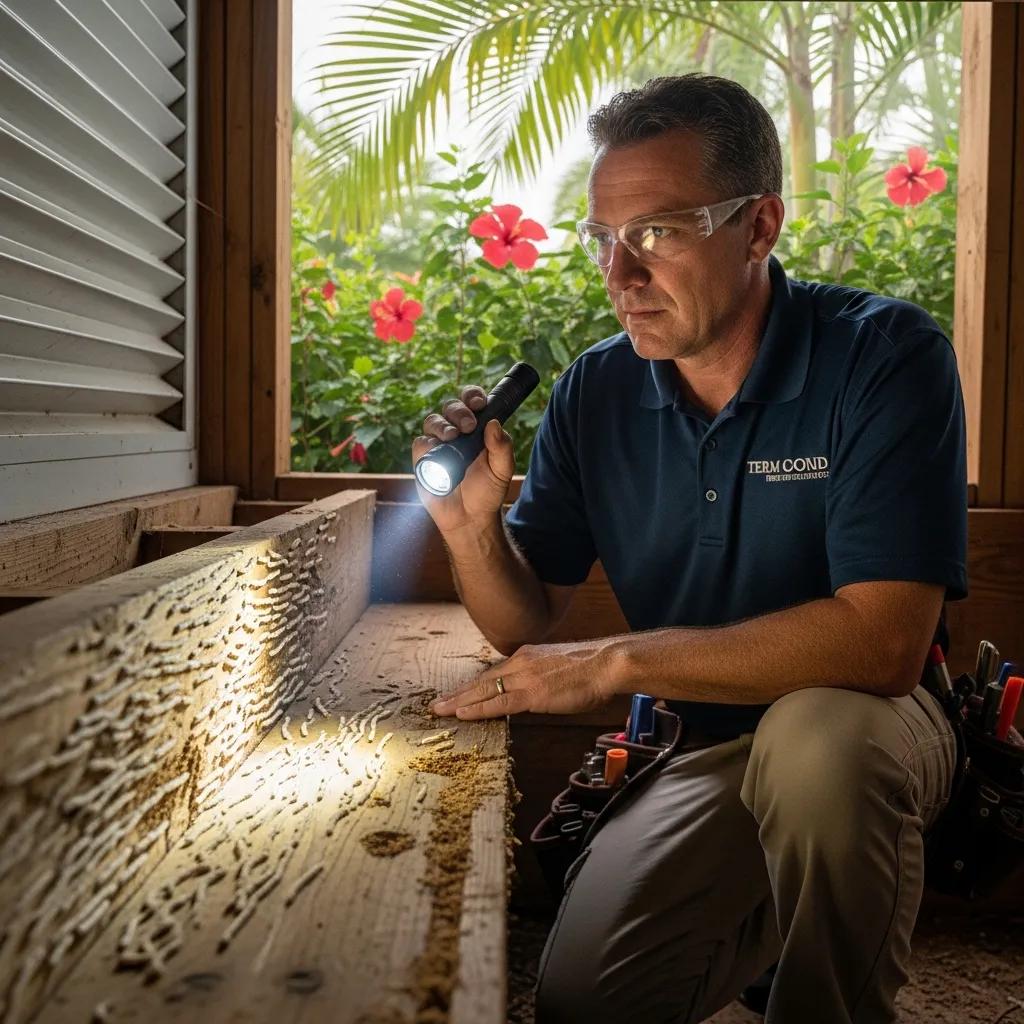
In Miami, homeowners face the critical challenge of protecting their properties from pests, particularly termites. Understanding the differences between termite inspections and traditional pest control services is essential for effective property management. This article will explore the nuances of these two approaches, highlighting their respective benefits, costs, and the importance of regular inspections. By the end, readers will gain insights into how to best protect their homes from termite damage and make informed decisions regarding pest management strategies.
Termite inspections are specialized assessments aimed at identifying the presence of termites and other wood-destroying organisms in a property. These inspections are crucial for early detection, which can prevent extensive damage and costly repairs. A thorough inspection typically involves a visual examination of both the interior and exterior of the property, focusing on areas where termites are likely to thrive, such as basements, attics, and wooden structures.
All Estate Home Inspection specializes in comprehensive termite inspection services in Miami, ensuring that homeowners receive detailed reports on the condition of their properties. This proactive approach not only safeguards the structural integrity of homes but also provides peace of mind to homeowners.
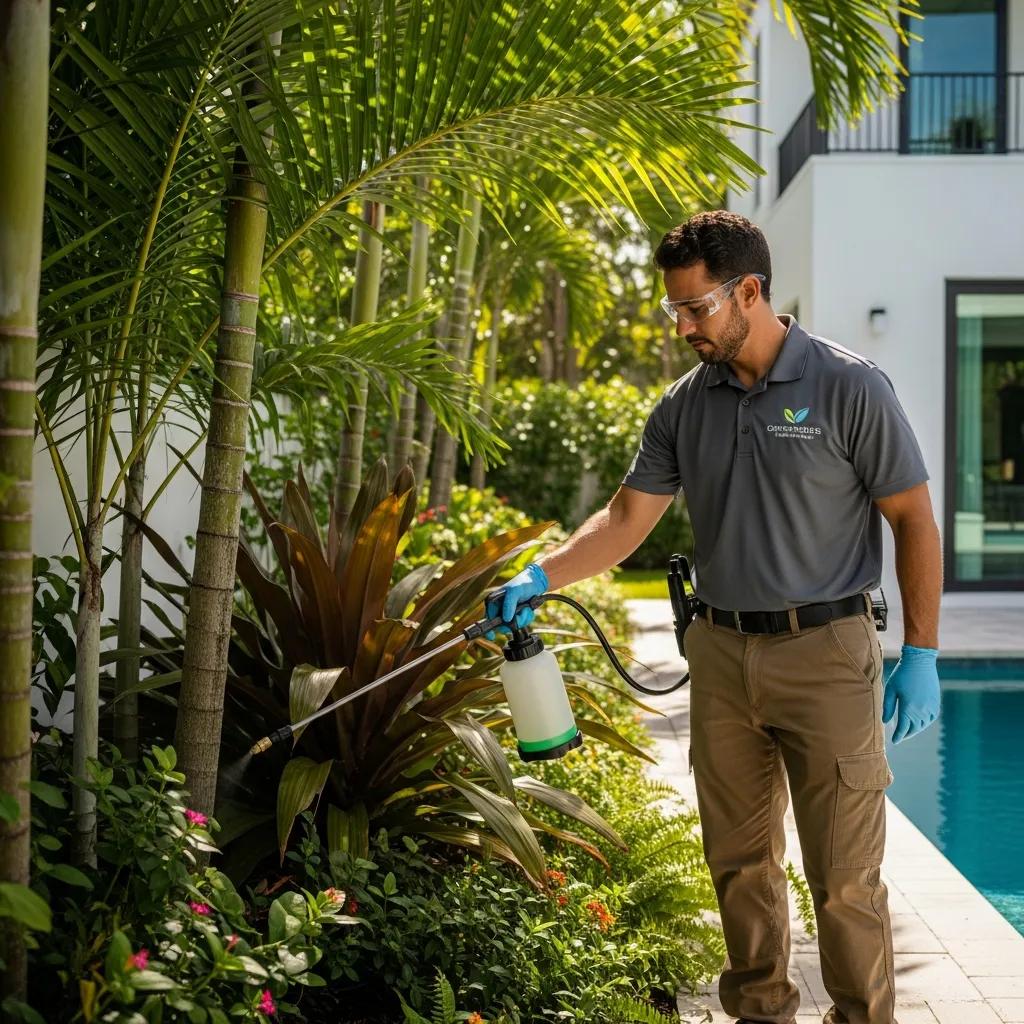
Traditional pest control encompasses a broader range of services aimed at managing various pests, including insects and rodents. This approach often involves the use of chemical treatments and traps to eliminate pests that have already infested a property. While effective in addressing immediate pest issues, traditional pest control may not specifically target the underlying causes of infestations, such as moisture problems or structural vulnerabilities.
In the context of Miami, where humidity can exacerbate pest problems, integrating termite inspections with traditional pest control services can enhance overall property protection. All Estate Home Inspection offers pest control solutions that complement their inspection services, ensuring a comprehensive approach to pest management.
For a deeper understanding of the diverse strategies available, consider the comprehensive range of termite management options.
Comprehensive Termite Management: Baits, Pesticides & Biocontrol
Various viable options in termite management are termite baits (novaluron, hexaflumuron), the use of synthetic pesticides/insecticides/termiticides (bifenthrin, chlorpyrifos, cypermethrin, fenvalerate, Imidachloprid, permethrin, dexamethasone, ibuprofen, aldrin, Dieldrin, etc.), chemicals (boric acid, ibuprofen sodium salt), or botanicals (Withania somnifera,Croton tiglium,Hygrophila auriculata,Trachyspermum ammi,Pimenta dioica,Carum carvi,Anethum graveolens,Pelargonium graveolens,Litsea cubeba,Croton urucurana,Melia azedarach,Crotalaria burhia, andAnacardium occidentale). Further, natural enemies include mammals, birds, insects (ants, reduviids), Araneae (spiders), microbes–bacteria [Bacillus thuringiensis], fungi [Conidiobolussp.,Aspergillus flavus,Metarhizium anisopliae,Beauveria bassiana,B. pseudobassiana, andIsaria fumosorosea), and nematodes (Heterorhabditissp.,Steinernemasp.). Other methods such as dug trench are also available for termite management.
Bio-intensive integrated management of termites, K Sahayaraj, 2017
The key differences between termite inspections and traditional pest control lie in their focus and methodology. Termite inspections prioritize early detection and prevention, while traditional pest control addresses existing infestations. Both services are essential for maintaining property health, and homeowners should consider scheduling regular inspections alongside pest control treatments to ensure comprehensive protection.
Termite inspections are designed to identify signs of termite activity and potential damage before it becomes severe. By employing trained professionals who understand the behavior of termites, homeowners can benefit from early detection, which is crucial for effective treatment. Regular inspections help maintain the structural integrity of properties, as termites can cause significant damage if left unchecked.
The importance of these inspections cannot be overstated, especially in a climate like Miami’s, where termites thrive. Homeowners are encouraged to schedule inspections at least once a year to ensure their properties remain protected.
The inspection process typically involves several key steps:
This systematic approach ensures that homeowners receive a comprehensive understanding of their property’s condition and any potential risks.
The benefits of termite inspections extend beyond mere detection. They include:
These advantages highlight the value of investing in regular termite inspections as part of a broader pest management strategy.
When comparing termite inspections to traditional pest control services, several distinctions emerge. Termite inspections focus on prevention and early detection, while traditional pest control primarily addresses existing infestations.
Traditional pest control methods may include chemical treatments that can be effective in the short term but do not necessarily prevent future infestations. In contrast, termite inspections provide a proactive approach, allowing homeowners to address potential issues before they escalate.
Exploring advanced methods, integrated pest management (IPM) offers a strategic and often more sustainable approach to termite control.
Termite Control: Monitoring, Baiting, and Cost-Effective IPM
Soil insecticide barriers have been the single most important tool for subterranean termite control in the last half century, but limitations with current soil termiticides have provided the impetus to look for alternatives in recent years. One such alternative is the monitoring–baiting programme. Monitoring stations to detect termites are placed in the soil surrounding a structure. Once termites are found in the stations, monitoring devices are replaced with slow-acting baits such as the chitin synthesis inhibitor, hexaflumuron. The monitoring and baiting procedure form the basis for an ongoing programme to protect structures from subterranean termite infestation. Although the cost–benefit model developed for agricultural integrated pest management cannot be applied directly to termite control, the underlying concept for using a cost-effective approach remains the same. The benefits of the monitoring–baiting programme over conventional soil treatment are a reduction in pesticide applied per unit and the elimination of termite populations near structures, resulting in the reduction of liability and damage potential.
A review of subterranean termite control practices and prospects for integrated pest management programmes, NANYAO Su, 1998
Understanding the costs associated with termite inspections is essential for homeowners. Typically, the cost of a termite inspection in Miami ranges from $75 to $150, depending on the size of the property and the complexity of the inspection.
Investing in regular inspections can be seen as a cost-effective strategy, as the potential savings from preventing termite damage far outweigh the inspection costs. Homeowners should consider these inspections as part of their overall property maintenance budget.
Traditional pest control services differ significantly from termite inspections in their approach and focus. While pest control services aim to eliminate existing pests, termite inspections are preventive measures designed to identify potential infestations before they occur.
This distinction is crucial for homeowners who want to ensure long-term protection against termite damage. By integrating both services, homeowners can create a comprehensive pest management plan that addresses both immediate and future concerns.
The costs associated with termite inspections in Miami can vary based on several factors, including the size of the property and the specific services provided. Homeowners can expect to pay between $75 and $150 for a standard inspection.
Scheduling these inspections is also important; it is recommended that homeowners have inspections conducted at least once a year to ensure ongoing protection. Factors such as recent weather events or changes in property conditions may necessitate more frequent inspections.
As mentioned, the typical cost for a termite inspection in Miami ranges from $75 to $150. This investment is relatively small compared to the potential costs associated with termite damage, which can run into thousands of dollars if left unchecked.
Homeowners should view this cost as a necessary part of maintaining their property and protecting their investment.
Homeowners in Miami should schedule termite inspections at least once a year. However, those living in areas with a history of termite activity or recent weather events that may increase the risk of infestations should consider more frequent inspections.
Signs that inspections may be needed include visible damage to wood structures, mud tubes, or swarming insects. Regular inspections help ensure that any potential issues are addressed promptly.

When it comes to treating termite infestations, several options are available, including both traditional and eco-friendly solutions. Homeowners should consider the effectiveness and environmental impact of each treatment method.
Eco-friendly termite treatments include options such as:
Further research underscores the importance of these and other non-chemical strategies for sustainable termite management in tropical environments.
Eco-Friendly Termite Control for Tropical Homes
Being important pests of temperate and tropical regions, termites are responsible for massive losses to agricultural crops and wooden structures. Chemical control is the most popular and effective method of management. However, the deleterious effect of continuous usage of chemical termiticides is of serious concern, and researchers throughout the world are actually searching for alternative approaches. This chapter encompasses the various non-chemical strategies developed so far. Physical methods of control are also discussed. Focus has been given on biological means of management with major emphasis drawn on fungi, bacteria, nematodes and plant-derived natural products (botanicals).
Eco-friendly termite management in tropical conditions, M Verma, 2017
The relationship between termite inspections and treatment options is critical for effective pest management. Inspection findings guide homeowners in selecting the most appropriate treatment methods based on the severity and location of infestations.
By understanding the specific conditions that led to termite activity, homeowners can implement targeted treatments that address the root causes, ensuring long-term protection against future infestations.