

Purchasing a home for the first time is an exciting yet daunting experience. One of the most crucial steps in this journey is understanding the importance of a “home inspection”. Home inspections provide first-time buyers with a comprehensive evaluation of the property, ensuring that they are making an informed decision. This article will explore the key benefits of home inspections, what they cover, common issues identified, and practical tips for buyers. By the end, you will understand how a thorough inspection can save you money and stress in the long run.
Home inspections offer several advantages, particularly for first-time buyers. They provide peace of mind by identifying potential issues before the purchase is finalized. This proactive approach can lead to significant cost savings, as early detection of problems allows buyers to negotiate repairs or price adjustments with sellers. Additionally, home inspections enhance safety by uncovering hazards that could pose risks to occupants. Ultimately, these inspections empower buyers to make informed decisions, ensuring they invest in a property that meets their needs and expectations.
All Estate Home Inspection specializes in delivering detailed inspection reports tailored for first-time home buyers. Their expertise ensures that buyers receive a thorough evaluation of the property, helping them navigate the complexities of home ownership with confidence.
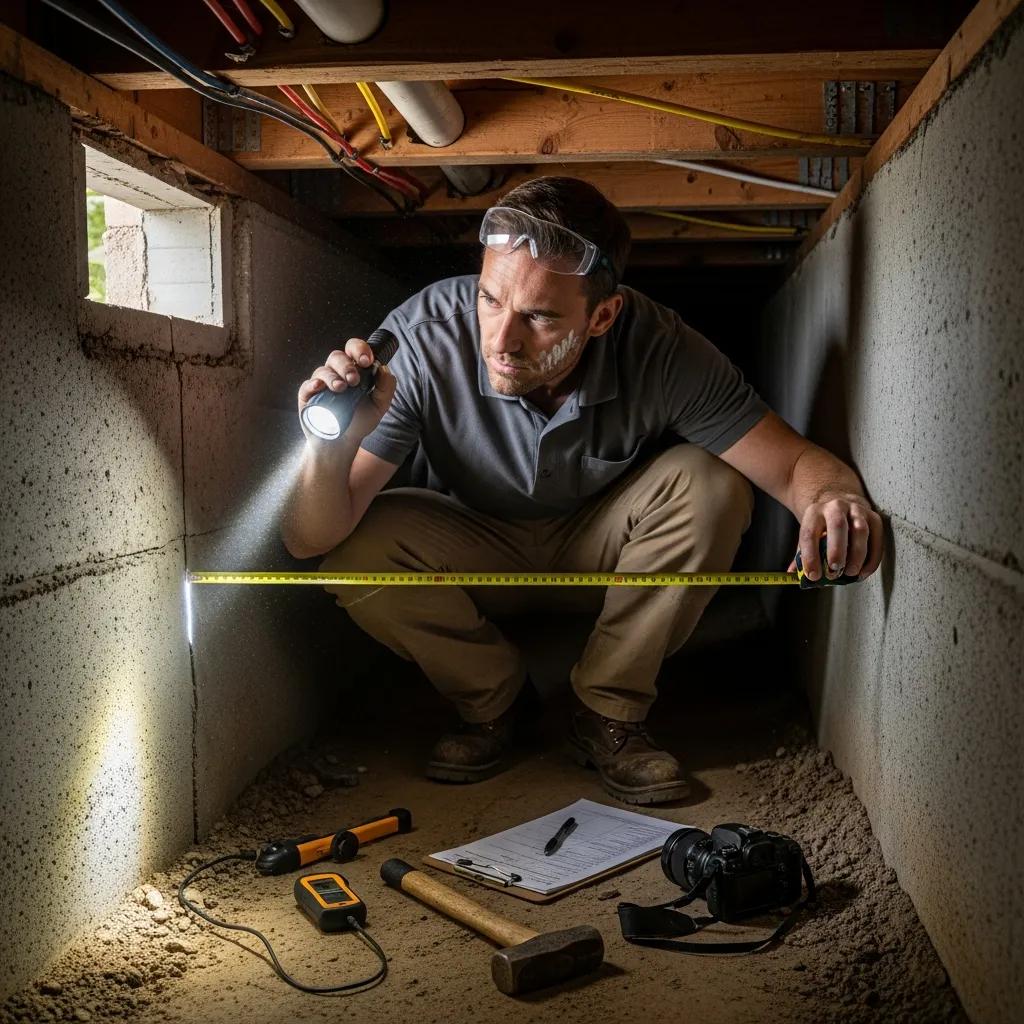
A home inspection typically covers several critical areas to provide a comprehensive overview of the property’s condition. Key components include:
These elements are essential for understanding the overall health of the home and can significantly influence a buyer’s decision.
During a home inspection, several common issues may be uncovered that could affect the property’s value and safety. These include:
Identifying these problems early allows buyers to address them before finalizing their purchase, potentially saving thousands of dollars.
As solar energy becomes increasingly popular, understanding how solar panel systems are evaluated during home inspections is essential. Inspectors assess the following aspects:
This assessment is crucial for buyers considering homes with solar energy systems, as it ensures that they are investing in a safe and efficient energy solution.
Understanding the financial aspects of home inspections is vital for first-time buyers. The cost of a home inspection can vary based on factors such as location and property size, but it typically ranges from$300 to$500. However, the value derived from a thorough inspection far outweighs this initial investment with a lender.
| Cost Aspect | Description | Value |
|---|---|---|
| Inspection Fee | Average cost of a home inspection | $300 – $500 |
| Potential Savings | Cost savings from identifying issues early | Thousands of dollars |
| Negotiation Leverage | Ability to negotiate repairs or price adjustments | High |
Investing in a home inspection not only provides peace of mind but also serves as a valuable tool for negotiation, ensuring that buyers are protected in their investment.

Preparing for a home inspection can help first-time buyers maximize the benefits of the process. Here are some practical tips:
These steps can enhance the inspection experience and provide valuable insights into the home.
After receiving the inspection report, buyers should take several important steps:
Following these steps ensures that buyers are well-prepared to move forward with their home purchase confidently.
A typical home inspection usually takes between two to four hours, depending on the size and condition of the property. Larger homes or those with complex systems may require more time. It’s essential for buyers to allocate enough time to allow the inspector to thoroughly evaluate all aspects of the home. Being present during the inspection can also provide valuable insights and allow buyers to ask questions directly to the inspector.
Yes, it is highly recommended for buyers to attend the home inspection. Being present allows you to observe the inspector’s findings firsthand and ask questions about any concerns you may have. This engagement can provide a deeper understanding of the property’s condition and help you make informed decisions based on the inspector’s insights. It also allows you to clarify any issues that may arise during the inspection process.
If the inspection uncovers significant issues, you have several options. First, you can negotiate with the seller to address the problems before finalizing the sale, which may include repairs or price adjustments. Alternatively, you might decide to walk away from the deal if the issues are too severe or costly. It’s crucial to consult with your real estate agent to determine the best course of action based on the inspection findings.
Home inspections are not legally required in most states, but they are highly recommended, especially for first-time buyers. While some lenders may require inspections for financing, it ultimately depends on the buyer’s discretion. Opting for a home inspection can provide peace of mind and protect your investment by identifying potential issues before the purchase is finalized.
Choosing the right home inspector is crucial for a thorough evaluation. Start by seeking recommendations from friends, family, or your real estate agent. Look for inspectors who are certified and have experience in your area. Reading online reviews and checking their credentials can also help. It’s beneficial to interview potential inspectors to ensure they communicate clearly and address your specific concerns during the inspection process.
If you discover issues after purchasing the home that were not disclosed during the inspection, your options may be limited. Generally, home inspections are not guarantees, and buyers are responsible for the property post-purchase. However, if the issues are severe and were intentionally hidden, you may have legal recourse against the seller. Consulting with a real estate attorney can help you understand your rights and options in such situations.
While a home inspection is typically conducted before purchasing a property, it is advisable to have regular inspections every few years, especially for older homes. Routine inspections can help identify maintenance issues early, allowing homeowners to address them before they escalate into costly repairs. Additionally, if you make significant renovations or upgrades, a follow-up inspection can ensure that everything is functioning correctly and safely.