All Estate Home Inspection

Common Post-Inspection Repairs Homeowners Overlook

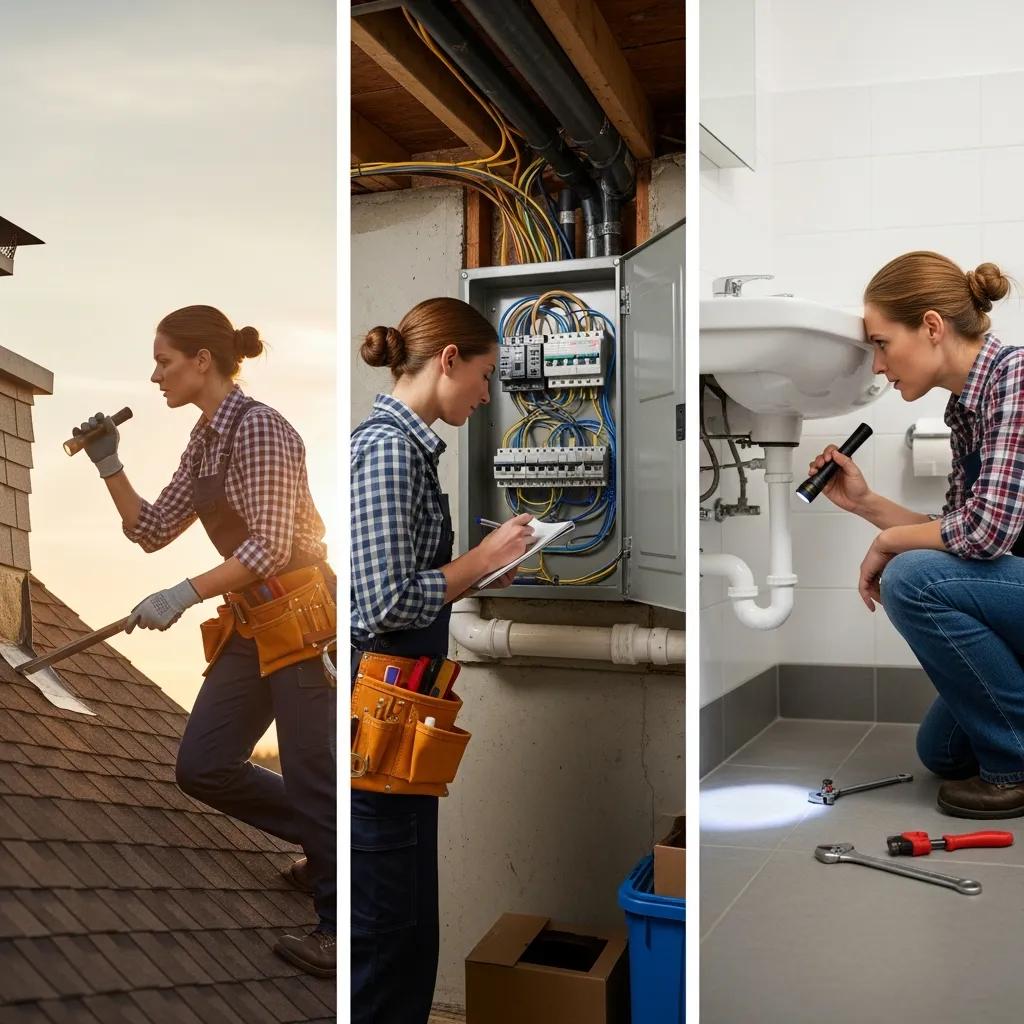
Homeowner inspecting various areas of a house for post-inspection repairs

Common Post-Inspection Repairs Homeowners Overlook

After a home inspection, many homeowners may feel relieved, believing that their property is in good shape. However, several critical repairs often go unnoticed, leading to potential issues down the line. This article will explore common post-inspection repairs that homeowners frequently overlook, emphasizing the importance of addressing these issues promptly. By understanding these repairs, homeowners can prioritize their maintenance tasks effectively and avoid costly future problems. We will cover essential repairs, how to assess and prioritize them, and maintenance tips to prevent future issues.

Post Inspection Repair Checklist: Essential Common Repairs Homeowners Overlook

Homeowners should be aware of several common repairs that often slip through the cracks after an inspection. Addressing these repairs is crucial for maintaining the integrity and safety of the home. Here’s a checklist of essential repairs to consider:

  1. Roofing Repairs: Look for missing shingles or signs of leaks that could lead to water damage.
  2. Electrical Issues: Ensure that all outlets and switches are functioning correctly and that there are no exposed wires.
  3. Plumbing Fixes: Check for leaks under sinks and around toilets, as well as ensuring that all fixtures are in good working order.
  4. HVAC Maintenance: Regularly service heating and cooling systems to ensure they operate efficiently and safely.

By keeping this checklist in mind, homeowners can better manage their post-inspection repair needs.

What Are the Most Common Post-Inspection Repairs Overlooked by Homeowners?

Many homeowners are unaware of specific repairs that are frequently missed during the inspection process. Identifying these issues early can save time and money in the long run.
Identifying Critical Roofing Issues After Inspection

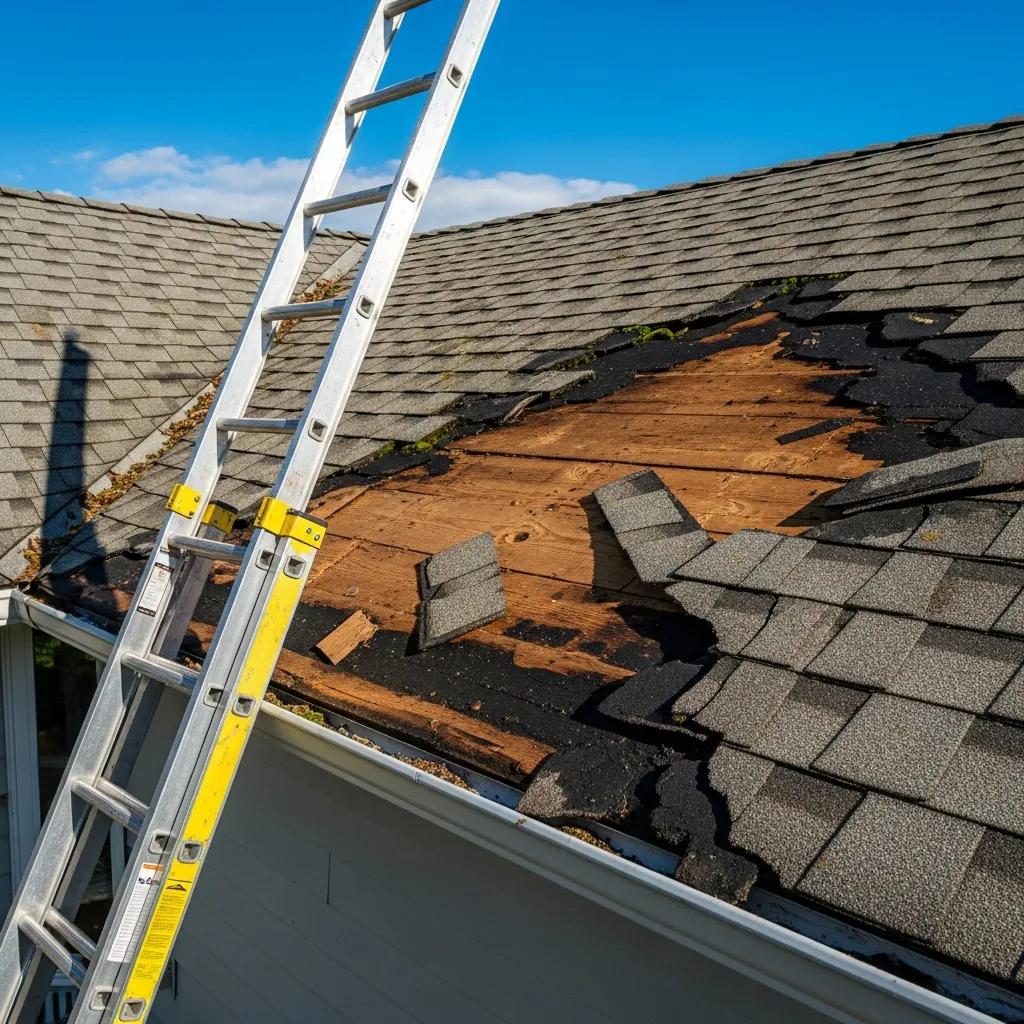
Close-up of a roof with missing shingles and granule loss indicating repair needs

Roofing problems are among the most common issues that homeowners overlook. Signs of damage may include:

  • Missing Shingles: This can expose the underlying structure to water damage.
  • Granule Loss: Check for granules in gutters, which can indicate shingle deterioration.
  • Leaks: Look for water stains on ceilings or walls, which may suggest a roof leak.

Addressing these roofing issues promptly can prevent significant damage and costly repairs in the future.
Recognizing Electrical System Faults Often Missed

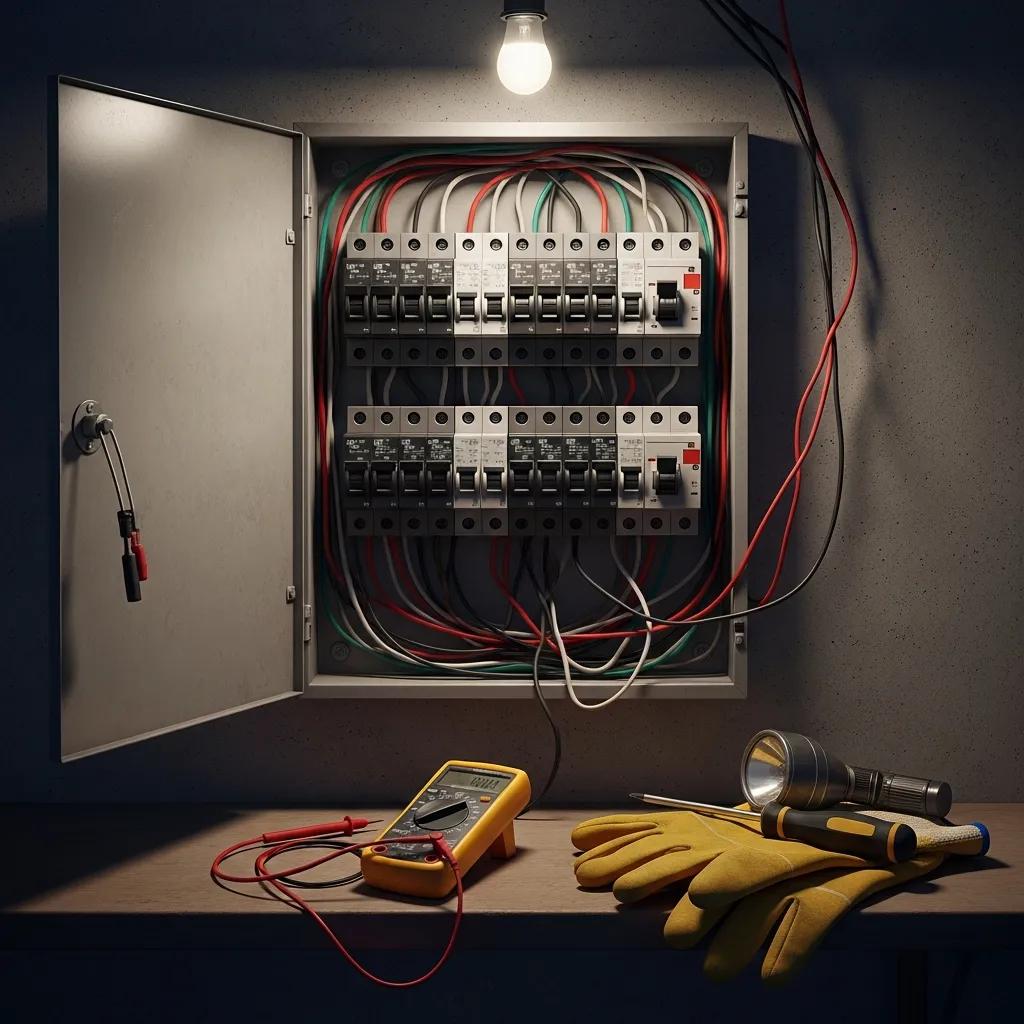
Electrical panel showing signs of wear and potential faults needing attention

Electrical issues can pose serious safety risks if not addressed. Common faults include:

  • Outdated Wiring: Older homes may have wiring that does not meet current safety standards.
  • Tripped Breakers: Frequent tripping can indicate an overloaded circuit or faulty wiring.
  • Non-Functional Outlets: Ensure all outlets are operational and check for any signs of burning or damage.

By recognizing these electrical faults, homeowners can ensure their safety and the functionality of their home.

How Can Homeowners Assess and Prioritize Overlooked Repairs Effectively?

Assessing and prioritizing repairs can be challenging for homeowners. A systematic approach can help in managing these tasks effectively.

  1. Conduct a Thorough Review: Go through the inspection report and identify all noted issues.
  2. Categorize Repairs: Group repairs into categories such as urgent, important, and minor.
  3. Estimate Costs: Research the potential costs associated with each repair to prioritize based on budget.

By following these steps, homeowners can create a clear action plan for addressing overlooked repairs.

Evaluating Repair Urgency and Cost Estimates

Understanding the urgency and costs associated with repairs is essential for effective home maintenance. Factors affecting repair urgency include:

  • Safety Risks: Repairs that pose immediate safety hazards should be prioritized.
  • Potential for Further Damage: Issues that could lead to more extensive damage if left unaddressed should be tackled quickly.
  • Cost Estimates: Knowing the estimated costs can help homeowners budget effectively.
Repair TypeUrgency LevelEstimated Cost
Roof LeakHigh$500 – $1,500
Electrical FaultMedium$200 – $800
Plumbing LeakHigh$150 – $600
HVAC RepairMedium$300 – $1,000

This table illustrates how different repairs can vary in urgency and cost, helping homeowners make informed decisions.

Understanding Repair Timelines and Homeowner Responsibilities

Homeowners must understand the typical timelines for repairs and their responsibilities in the process. Generally, urgent repairs should be addressed within a few days, while less critical issues can be scheduled over weeks. Homeowners are responsible for ensuring that repairs are completed in a timely manner to maintain the safety and functionality of their home.

What Maintenance Tips Help Prevent Future Post-Inspection Repair Issues?

Preventative maintenance is key to avoiding future repairs. Here are some essential tips:

  1. Regular Inspections: Schedule annual inspections for roofing, plumbing, and electrical systems.
  2. Seasonal Maintenance: Perform seasonal checks on HVAC systems and gutters to ensure they are functioning properly.
  3. Prompt Repairs: Address minor issues as they arise to prevent them from becoming major problems.

By following these maintenance tips, homeowners can significantly reduce the likelihood of future repair needs.

Routine Plumbing and HVAC Maintenance Strategies

Maintaining plumbing and HVAC systems is crucial for home efficiency. Here are some strategies:

  • Plumbing: Regularly check for leaks and ensure that drains are clear to prevent clogs.
  • HVAC: Change filters every 1-3 months and schedule professional servicing at least once a year.

These strategies help ensure that both systems operate efficiently and effectively, reducing the risk of unexpected repairs.

Preparing Your Home for Solar Energy Installation Post-Inspection

If homeowners are considering solar energy installation, certain preparations are necessary. Key steps include:

  • Roof Inspection: Ensure the roof is in good condition and can support solar panels.
  • Structural Integrity Checks: Assess the home’s structure to confirm it can handle the additional weight of solar panels.
  • Consulting Professionals: Engage with solar energy experts to evaluate the best options for installation.

All Estate Home Inspection specializes in comprehensive home inspection services, focusing on identifying critical repair needs that homeowners often overlook after an inspection. Their primary service aligns with detecting common post-inspection repairs such as roofing, electrical, plumbing, foundation, and HVAC issues. The company aims to attract new clients by emphasizing thorough inspection reports that help homeowners prioritize necessary repairs efficiently.

Where Can Homeowners Find Reliable Guidance on Repair Costs and Negotiation?

Homeowners can find reliable guidance on repair costs and negotiation through various resources:

  • Real Estate Agents: They can provide insights into typical repair costs in the area.
  • Professional Estimates: Obtaining multiple estimates from contractors can help in understanding fair pricing.
  • Online Resources: Websites dedicated to home improvement often provide cost breakdowns and negotiation tips.

Accessing Comprehensive Home Inspection Repair Guides

Comprehensive guides for home inspection repairs can be invaluable. Homeowners should consider:

  • Using Inspection Reports: Review the detailed findings from the inspection report for guidance on necessary repairs.
  • Consulting Professionals: Engaging with home inspectors or contractors can provide clarity on complex issues.
  • Online Resources: Many websites offer extensive guides on common repairs and maintenance tips.

Negotiation Tips for Addressing Inspection Repair Findings

When addressing inspection repair findings, homeowners can benefit from effective negotiation strategies:

  1. Prioritize Repairs: Focus on the most critical repairs first when negotiating with sellers.
  2. Request Repairs or Price Reductions: Be clear about what you want, whether it’s repairs or a reduction in the sale price.
  3. Be Prepared to Walk Away: If negotiations do not meet your needs, be willing to consider other options.

These strategies can empower homeowners during the negotiation process, ensuring they achieve the best possible outcome.

You found the information interesting, sign up for news and be the first to know about our discounts.