All Estate Home Inspection

Miami Plumbing Problems Exposed During Home Inspections

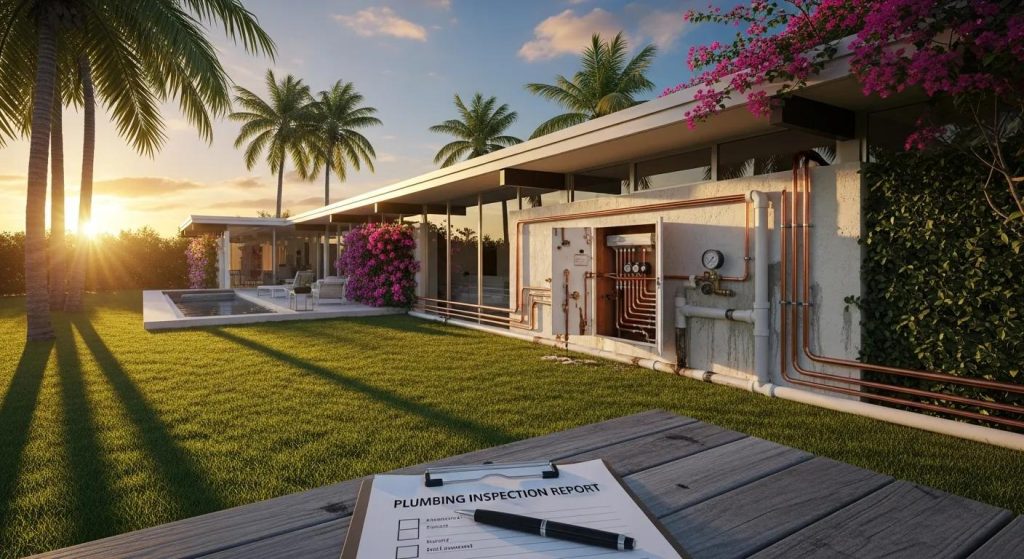
Miami home with visible plumbing elements in a tropical setting, highlighting the importance of plumbing inspections

Miami Plumbing Problems Exposed During Home Inspections

Home inspections are critical for identifying potential issues in properties, particularly plumbing problems that can lead to significant expenses and safety concerns. In Miami, the unique climate and construction practices can exacerbate these plumbing issues, making it essential for homeowners to understand what to look for during inspections. This article will explore common plumbing problems found in Miami homes, how the local climate contributes to these issues, and the importance of thorough home inspections. Additionally, we will discuss how homeowners can prepare for inspections and the impact of plumbing defects on property values.
What Are the Most Common Plumbing Issues Found in Miami Homes?

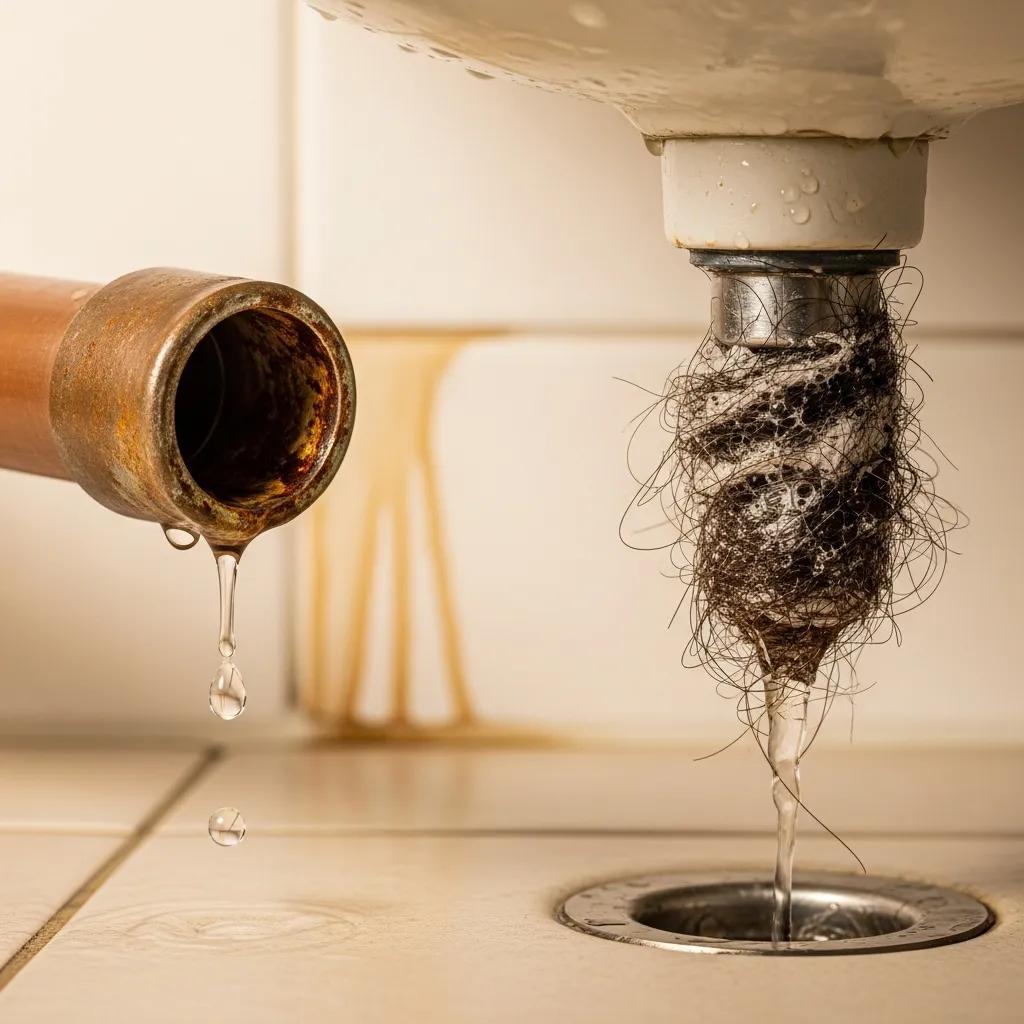
Close-up of common plumbing issues in Miami homes, including a leaking pipe and signs of corrosion

Miami homes often face a variety of plumbing issues that can arise from both environmental factors and the age of the properties. The most common plumbing problems include:

  • Pipe Leaks: These can occur due to corrosion or wear and tear, leading to water damage and mold growth.
  • Drainage Issues: Clogged drains and slow drainage can be frequent problems, often caused by debris or tree roots infiltrating the pipes.
  • Corrosion Problems: The high humidity in Miami can accelerate the corrosion of pipes, particularly those made of metal.

Understanding these common plumbing issues is crucial for homeowners to maintain their properties effectively.

How Does Miami's Climate Contribute to Plumbing Defects?

Miami’s tropical climate plays a significant role in the prevalence of plumbing defects. The high humidity levels can lead to condensation on pipes, which may cause corrosion over time. Additionally, temperature fluctuations can cause pipes to expand and contract, increasing the risk of leaks. The combination of these factors creates an environment where plumbing systems are under constant stress, making regular inspections essential to catch potential issues early.

Which Plumbing Defects Are Typical in Miami Residences?

In addition to the common issues previously mentioned, several specific plumbing defects are typical in Miami residences: plumbing inspections.

  • Inadequate Drainage: Many homes experience drainage problems due to improper installation or aging systems.
  • Sewer Line Issues: Tree roots can invade sewer lines, leading to blockages and backups.
  • Water Heater Problems: High humidity can affect the efficiency and lifespan of water heaters, leading to leaks or failures.

These defects can significantly impact the functionality of a home’s plumbing system, making it vital for homeowners to be aware of them.
How Do Home Inspections Detect Plumbing Problems in Miami Properties?

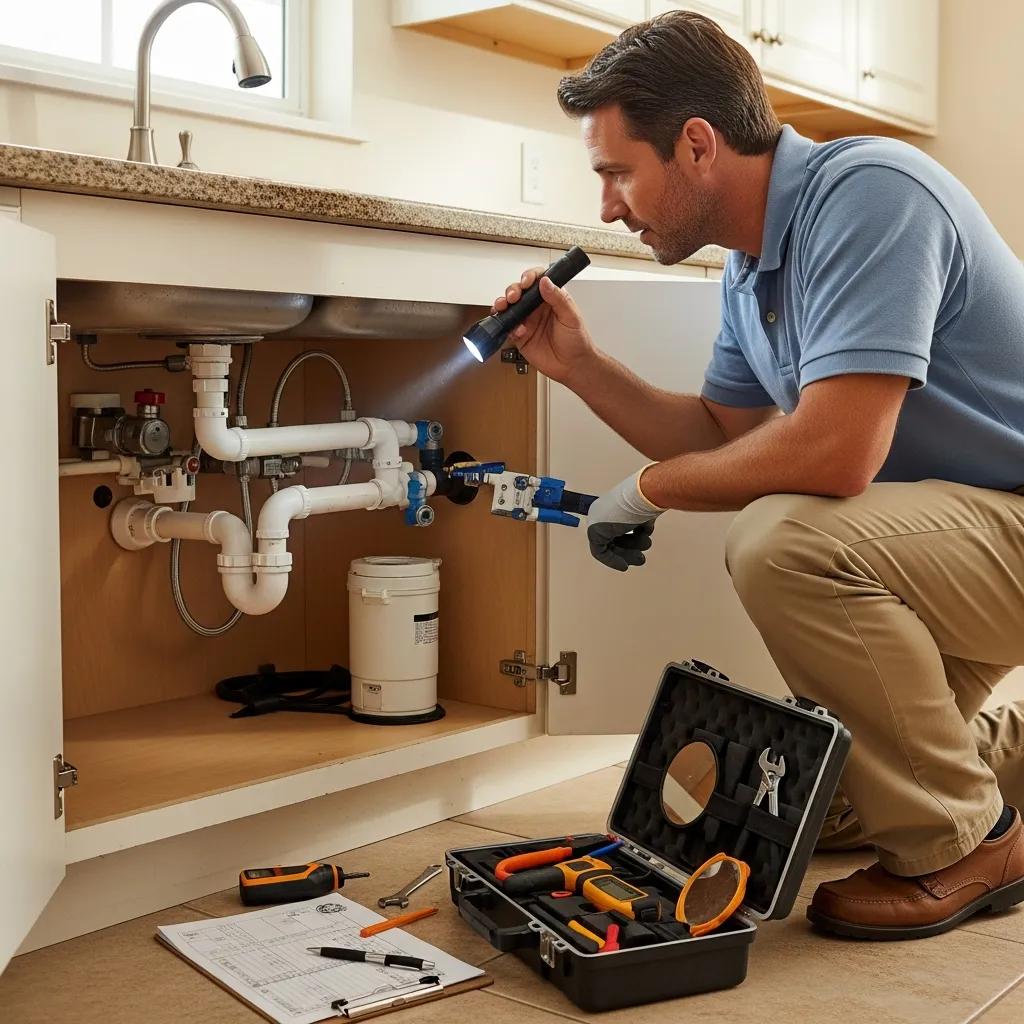
Home inspector examining plumbing fixtures in a Miami home, showcasing the inspection process

Home inspections are designed to identify plumbing problems before they escalate into costly repairs. Inspectors assess various components of the plumbing system, including:

  • Assessment of Pipes: Inspectors check for visible leaks, corrosion, and signs of wear.
  • Inspection of Fixtures: All fixtures, such as sinks and toilets, are examined for functionality and leaks.
  • Evaluation of Drainage Systems: The drainage system is tested to ensure proper flow and identify any blockages.

By conducting a thorough inspection, potential plumbing issues can be identified early, allowing homeowners to address them proactively.

All Estate Home Inspection specializes in comprehensive property inspection services with a focus on identifying critical issues such as “plumbing problems in Miami” homes. Scheduling regular inspections can help homeowners stay ahead of potential plumbing issues.

What Does a Home Inspection Plumbing Checklist Include?

A home inspection plumbing checklist is a valuable tool for inspectors and homeowners alike. It typically includes the following components:

  • Tub/Shower: Check for leaks and water pressure.
  • Water Pressure: Ensure that water pressure is within acceptable limits.
  • Toilets: Inspect for leaks and proper flushing mechanisms.

This checklist helps ensure that all critical plumbing components are evaluated during an inspection, providing a comprehensive overview of the plumbing system’s condition.

Which Signs Indicate Plumbing Problems During an Inspection?

During a home inspection, several signs can indicate plumbing problems, including: full home inspection

  • Visible Leaks: Water stains on walls or ceilings can suggest leaks in the plumbing system.
  • Water Damage: Signs of “water damage”, such as mold or mildew, can indicate underlying plumbing issues.
  • Corrosion Signs: Rust or corrosion on pipes can signal that repairs or replacements are needed.

Identifying these signs early can prevent more extensive damage and costly repairs down the line.

What Impact Do Plumbing Problems Have on Miami Home Values?

Plumbing problems can significantly affect the value of a home in Miami. Issues such as leaks or inadequate drainage can make a property less desirable to potential buyers. Furthermore, homes with unresolved plumbing issues may face lower appraisals, impacting their market value. Homeowners should be aware of how plumbing defects can influence their property’s worth and take steps to address any issues before selling.

How Can Plumbing Defects Affect Property Sale Prices?

When it comes to selling a home, plumbing defects can lead to negotiations that favor buyers. Common impacts include:

  • Negotiation Adjustments: Buyers may request price reductions or repairs before closing.
  • Repair Costs: The cost of fixing plumbing issues can be substantial, affecting the seller’s bottom line.
  • Buyer Concerns: Potential buyers may be deterred by known plumbing issues, leading to longer time on the market.

Addressing plumbing defects before listing a home can help maintain its value and appeal to buyers.

Why Is Early Detection Through Inspection Crucial?

Early detection of plumbing problems through inspections is crucial for several reasons:

  • Identifying Hidden Issues: Many plumbing problems are not visible until they become severe, making inspections essential for early detection.
  • Cost Savings: Addressing issues early can prevent costly repairs and extensive damage.
  • Peace of Mind: Knowing that a home’s plumbing system is in good condition provides homeowners with confidence and security.

Regular inspections can help homeowners avoid the stress and financial burden associated with plumbing emergencies.

How Can Homeowners Prepare for a Miami Plumbing Inspection?

Homeowners can take several steps to prepare for a plumbing inspection, including:

  • Check for Leaks: Inspect visible pipes and fixtures for any signs of leaks.
  • Evaluate Water Pressure: Ensure that water pressure is consistent throughout the home.
  • Inspect Plumbing Fixtures: Check all plumbing fixtures for functionality and signs of wear.

By preparing for an inspection, homeowners can facilitate a smoother process and ensure that all potential issues are addressed.

What Steps Should Homeowners Take Before Scheduling an Inspection?

Before scheduling a plumbing inspection, homeowners should consider the following steps:

  • Ensure Easy Access: Clear areas around plumbing fixtures and access points to allow for thorough inspection.
  • Address Minor Repairs: Fix any minor issues that could be easily resolved before the inspection.
  • Schedule Early: Plan inspections well in advance to ensure availability and adequate time for any necessary repairs.

Taking these steps can help ensure that the inspection process is efficient and effective.

How Does Combining Solar Energy Upgrades Enhance Plumbing Systems?

Integrating solar energy solutions can enhance plumbing systems in several ways:

  • Energy Efficiency: Solar water heaters can reduce energy costs associated with heating water.
  • Cost Savings: Utilizing solar energy can lead to long-term savings on utility bills.
  • Sustainability: Solar energy solutions contribute to a more sustainable and environmentally friendly home.

By considering “solar energy” upgrades, homeowners can improve their plumbing systems while also benefiting from reduced energy costs and environmental impact.

You found the information interesting, sign up for news and be the first to know about our discounts.